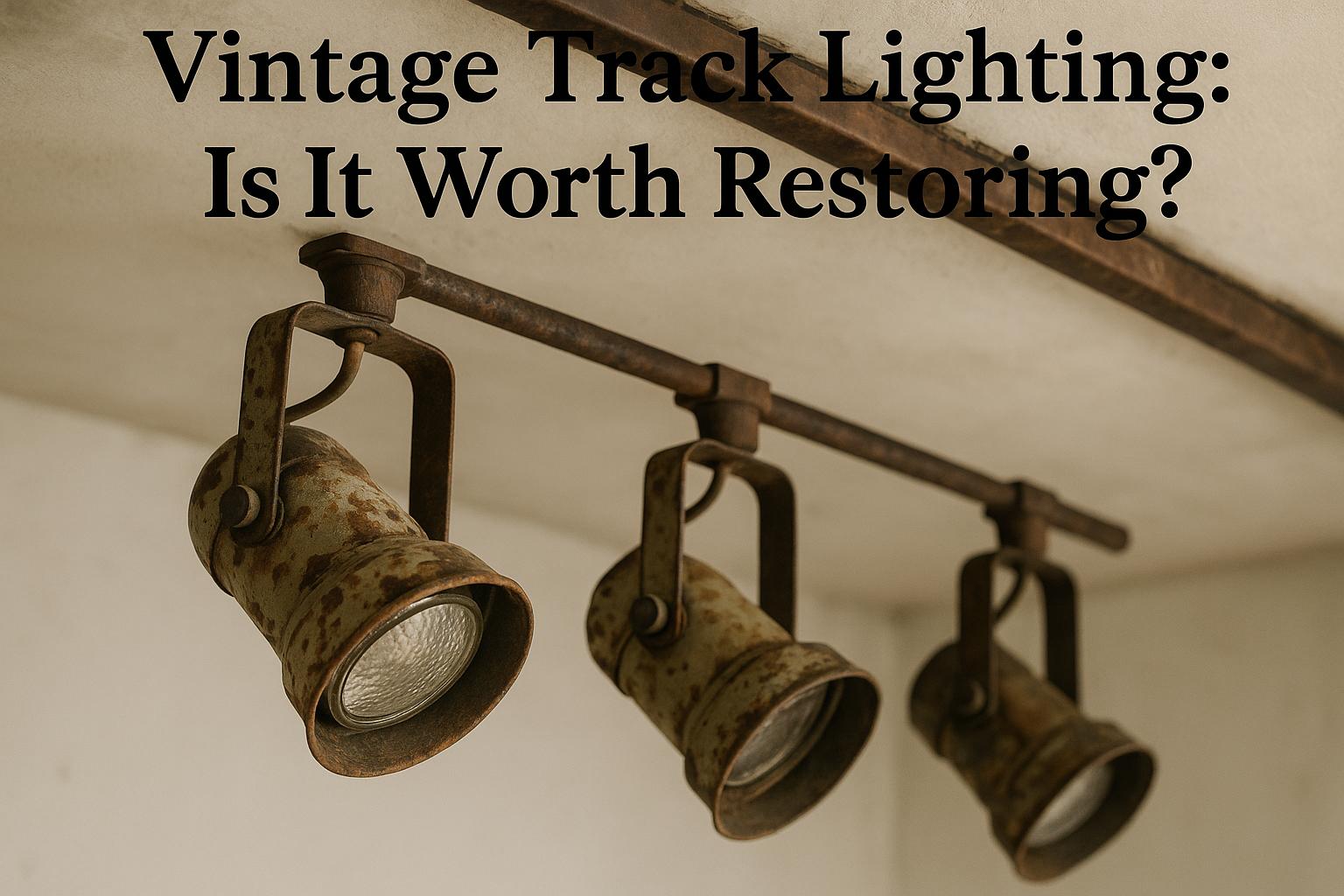
Understanding Vintage Track Lighting
Vintage track lighting is a captivating design element that traces its roots back to the mid-20th century. Celebrated for its adaptable nature and iconic industrial aesthetics, vintage track lighting continues to captivate design enthusiasts and professionals alike. Fundamentally, these systems entail a mounted track on either the ceiling or wall, which hosts a variety of adjustable and movable light fixtures. Let us delve deeper into the different facets of vintage track lighting, from its historical significance to its modern-day restoration, to gain a comprehensive understanding.
Historical Significance
The charm and allure of vintage track lighting are deeply embedded in its architectural and historical importance. Emerging during an era where functionality began to harmonize with aesthetics, early designs of track lighting played an influential role in defining spaces. The initial concept was a breakthrough at the time, emphasizing practicality along with a unique industrial-chic style. This style has transcended time, frequently used today in diverse interior settings that seek to blend or contrast vintage and modern styles.
Aesthetics and Design
When it comes to aesthetics and design, vintage track lighting fixtures are renowned for certain defining characteristics: clean lines, metallic finishes, and a no-nonsense, functional appearance. This utilitarian approach has rendered them highly desirable, especially among homeowners and designers aiming to integrate nostalgic allure with contemporary living spaces. The minimalistic and robust design not only highlights the industrial roots of the mid-20th century but also allows for versatility in application, ensuring that these fixtures can adapt seamlessly within modern design frameworks.
Assessment of Current Condition
Before venturing into the restoration of vintage track lighting, conducting a comprehensive assessment of its current condition is imperative. Understanding the mechanical and electrical elements’ state is crucial as it directly impacts both the fixture’s functionality and safety. Proper assessment prevents unforeseen issues during or post-restoration, ensuring a smoother and more rewarding process.
Mechanical Inspection
The mechanical inspection phase of vintage track lighting involves a detailed examination of the physical components. This includes:
– Analyzing the track and fixtures for noticeable damage or deterioration.
– Checking the operational status of all movable parts to ensure they are not obstructed by corrosion.
– Verifying that all fixtures remain firmly affixed to the track, ensuring no component is loose or at risk of detachment.
Electrical Evaluation
Undergoing a thorough electrical evaluation is equally critical to ascertain the system’s safety. Key aspects of this evaluation include:
– Assessing the wiring to confirm its condition and update to current safety standards.
– Ensuring there are no exposed or damaged wires or insulation, which could pose safety hazards.
– Seeking the expertise of a qualified electrician may be beneficial for comprehensive safety checks and guidance on necessary upgrades or repairs.
Restoration Benefits and Challenges
Embracing the restoration of vintage track lighting can yield considerable rewards, albeit not without its challenges. Understanding both the benefits and potential obstacles will aid in making an informed decision.
Key Benefits
One of the prominent benefits of restoring vintage track lighting is its unique aesthetic appeal. The allure of vintage elements lies in their distinct charm and character, often difficult to replicate with contemporary lighting solutions. These restored fixtures add an irreplaceable personality and sophistication to spaces, instantly becoming focal points within a room’s design.
Another significant advantage is historical preservation. By restoring these fixtures, you not only bring a piece of lighting history back to life but also enrich the narrative of your interior design. This deliberate preservation contributes to cultural and historical appreciation, intertwining past innovations with today’s creative explorations.
Potential Challenges
While the benefits are enticing, restoration is often resource intensive. It demands considerable time, expertise, and specific materials that might be challenging to procure in the present day. This aspect of restoration necessitates a commitment to meticulously source and implement components that stay true to the original design and functionality.
Moreover, aligning the electrical components of these vintage lighting systems with updated standards poses another significant challenge. Electrical upgrades often involve complex tasks and, in certain instances, can be cost-prohibitive. Ensuring that the vintage aesthetics do not compromise modern safety standards is a crucial yet difficult balance to achieve.
Is Restoration Worthwhile?
Deciding whether the restoration of vintage track lighting is worthwhile requires a thoughtful evaluation of both personal and practical aspects. If these historical fixtures resonate with your design concept and justify the associated investment, embarking on restoration can be a highly rewarding pursuit. Beyond revitalizing the lighting system’s functionality, restoration can profoundly enhance the unique character of your space.
The intrinsic value imbued in these vintage fixtures—in terms of both aesthetics and history—is immense, offering a bespoke fixture that stands out in any room. However, it is crucial to weigh the costs involved, the time needed for a faithful restoration, and whether professional services are indispensable. By striking a balance between these factors, the decision to restore can lead to a significantly personalized and inviting space that honors both past and present lighting artistry.