Introduction
Shipping vintage lighting demands meticulous attention to detail to ensure these delicate items are transported without damage. Unlike their modern counterparts, vintage lighting fixtures are characterized by unique construction techniques and fragile components, necessitating careful handling and packing procedures. This comprehensive guide offers essential advice and strategies for shipping vintage lighting securely.
Choose the Right Packaging Materials
Selecting appropriate packaging materials is fundamental to protecting vintage lighting throughout transit. These are the considerations to keep in mind:
Use Sturdy Boxes: The initial step in secure packing is the selection of a robust, corrugated cardboard box. This box should be ideally sized for the lighting fixture, offering enough space for cushioning materials but not so oversized that the fixture can shift excessively during transport.
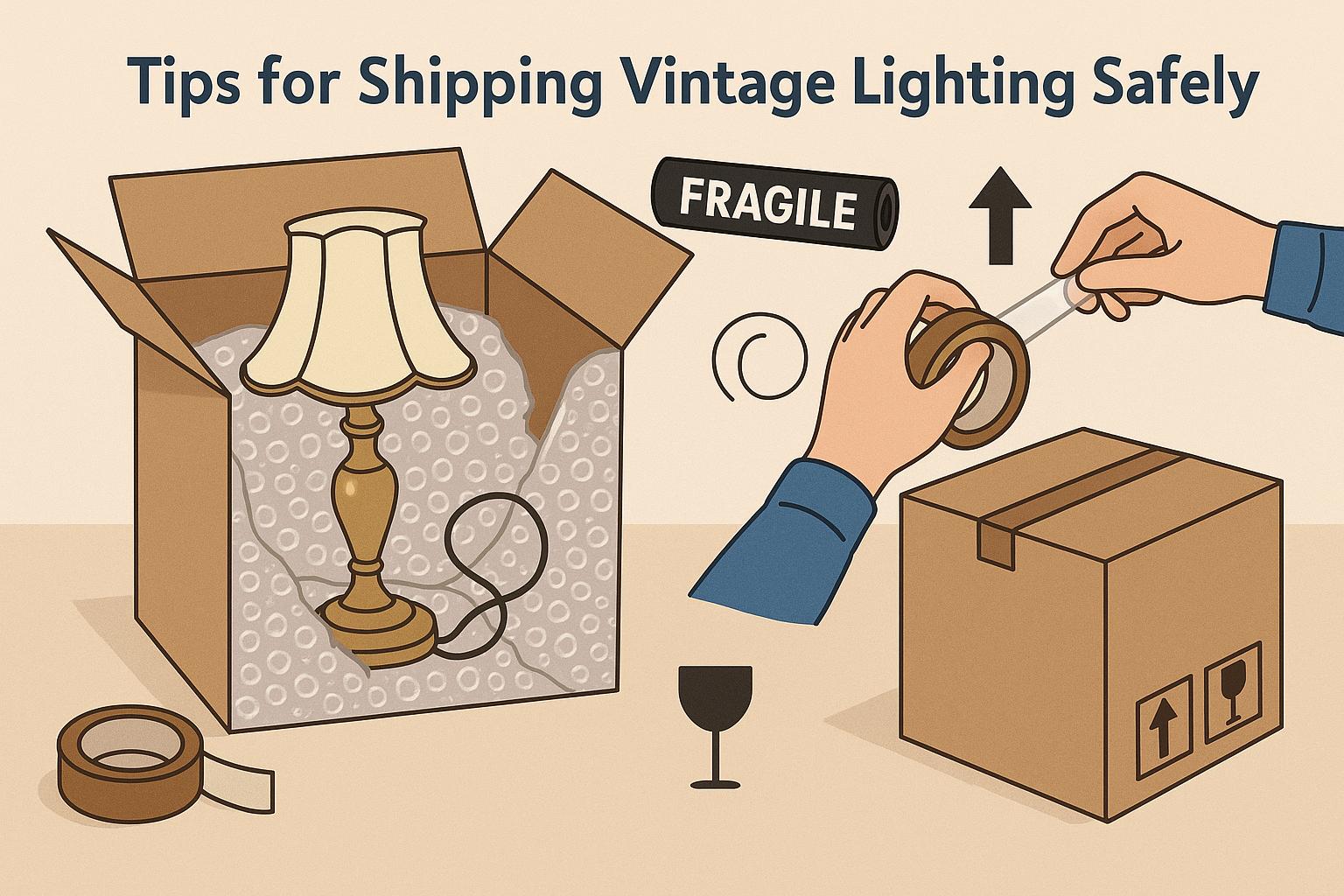
Cushioning Materials: The goal is to create a protective barrier around the vintage lighting. Materials such as bubble wrap, foam peanuts, or air-filled cushions serve this purpose well. It is crucial to wrap each part of the lighting fixture individually. Pay special attention to removable components such as shades or bulbs, as these are often more prone to damage.
Secure the Lighting Properly
Properly securing the lighting fixture inside the box is a critical step in preventing movement-related damage during shipping.
Disassemble if Possible: When feasible, disassembling the lighting fixture into smaller parts can simplify packing and significantly reduce the risk of breakage. Smaller components are generally easier to pack securely.
Fill Empty Spaces: Any unoccupied spaces inside the box should be filled with cushioning materials. This step is crucial to prevent any movement of the lighting fixture within the box, which could otherwise lead to damage.
Label the Package Clearly
Effective labeling plays a vital role in facilitating the safe transport of vintage lighting fixtures.
Fragile Labels: Clearly mark the package with “Fragile” labels on all sides. These labels are a visual cue for handlers that the contents require gentle handling and extra care during transportation.
Orientation Labels: If the lighting fixture has a preferred orientation that enhances stability, include “This Side Up” labels. These labels provide clear instructions for maintaining the proper positioning of the package.
Consider Insurance and Shipping Options
Beyond packing and labeling, choosing the right shipping options and considering insurance are essential for the safe delivery of vintage lighting.
Select Reliable Carriers: Selecting a shipping company with a proven track record for handling fragile items with care is advisable. Investigate their experience with vintage and delicate shipments to ensure they can meet the specific needs of your shipment.
Insurance Coverage: Opt for shipping insurance that covers the full value of the vintage lighting fixture. This precaution provides financial protection in the event of unforeseen mishaps during transit, offering peace of mind.
Packing Techniques for Different Types of Vintage Lighting
Not all vintage lighting fixtures are created equal. Different types of fixtures require different packing techniques to ensure they reach their destination unscathed.
Chandeliers
Chandeliers are often large, heavy, and feature numerous delicate components, making them particularly challenging to ship.
Disassembly: Before packing, disassemble the chandelier as much as possible. Remove any glass or crystal components, wrapping these individually in bubble wrap.
Individual Wrapping: Delicately wrap each part, particularly any arms or decorative elements, with bubble wrap or foam.
Cushion Support: Use additional cushioning along the bottom of the box for added support, preventing any downward pressure on the chandelier during transit.
Wall Sconces
Wall sconces, while smaller than chandeliers, still require careful packing.
Secure Bulbs Separately: Remove and individually wrap any bulbs. Consider transporting them in a separate box to avoid breakage.
Reinforcement: Use reinforcements, such as cardboard braces, within the box to maintain the structural integrity of the sconces.
Table Lamps
Table lamps vary in size but usually consist of two main elements: the base and the shade.
Separate Components: Detach the shade from the base and wrap them separately. Use separate boxes if necessary, particularly for larger or more fragile shades.
Custom Fit: Use packing materials that contour to the lamp’s shape, providing stability during transportation.
Additional Considerations for Safe Shipping
Considering complementary aspects of shipping can further enhance the safety and security of vintage lighting fixtures.
Environmental Factors
Shipping conditions, such as temperature and humidity, can affect vintage lighting:
Climate Considerations: Be mindful of the climate during shipping. Extreme temperature and humidity changes can cause breakage or material degradation, especially in components like glass or wood.
Handling Instructions
Providing explicit instructions can assist handlers in transporting these items with the necessary care.
Handler Guidelines: Include documentation with step-by-step handling instructions, emphasizing the fragile nature of the contents and the importance of maintaining the packaging orientation.
Conclusion
The successful shipping of vintage lighting depends on careful selection and use of packing materials, securing the fixture properly, clear labeling, thoughtful shipping options, and awareness of environmental factors. By employing these tactics, shippers can safeguard the historical and aesthetic significance of vintage lighting fixtures, ensuring they arrive in perfect condition at their destination. This comprehensive approach is key to preserving these valuable items for future enjoyment.