The Emergence of Art Nouveau
Art Nouveau, a distinct and highly decorative style, gained prominence in the late 19th and early 20th centuries. Characterized by its emphasis on natural forms and organic lines, this style made significant contributions to various domains of art and design, including architecture, jewelry, furniture, and particularly lighting.
Understanding the Essence of Art Nouveau
The philosophy behind Art Nouveau was a response to the eclectic styles that came before it, aiming for unity in fine arts and applied arts. By incorporating sinuous curves, asymmetrical shapes, and elaborate detailing, the designers emphasized the aesthetic potential of everyday objects. Originating in Europe, particularly in Belgium and France, Art Nouveau sought to break away from the rigid structures of the 19th-century design.
Key figures like Victor Horta and Antoni Gaudí played instrumental roles in architecture, infusing buildings with the hallmark designs of ribbons and floral motifs typical of the movement. This design philosophy spread swiftly across Europe, each region adding its cultural nuances, ultimately developing a style that resonated worldwide, transforming conventional spaces into immersive experiences that celebrated art in its living form.
The Role of Colored Glass in Art Nouveau Lighting
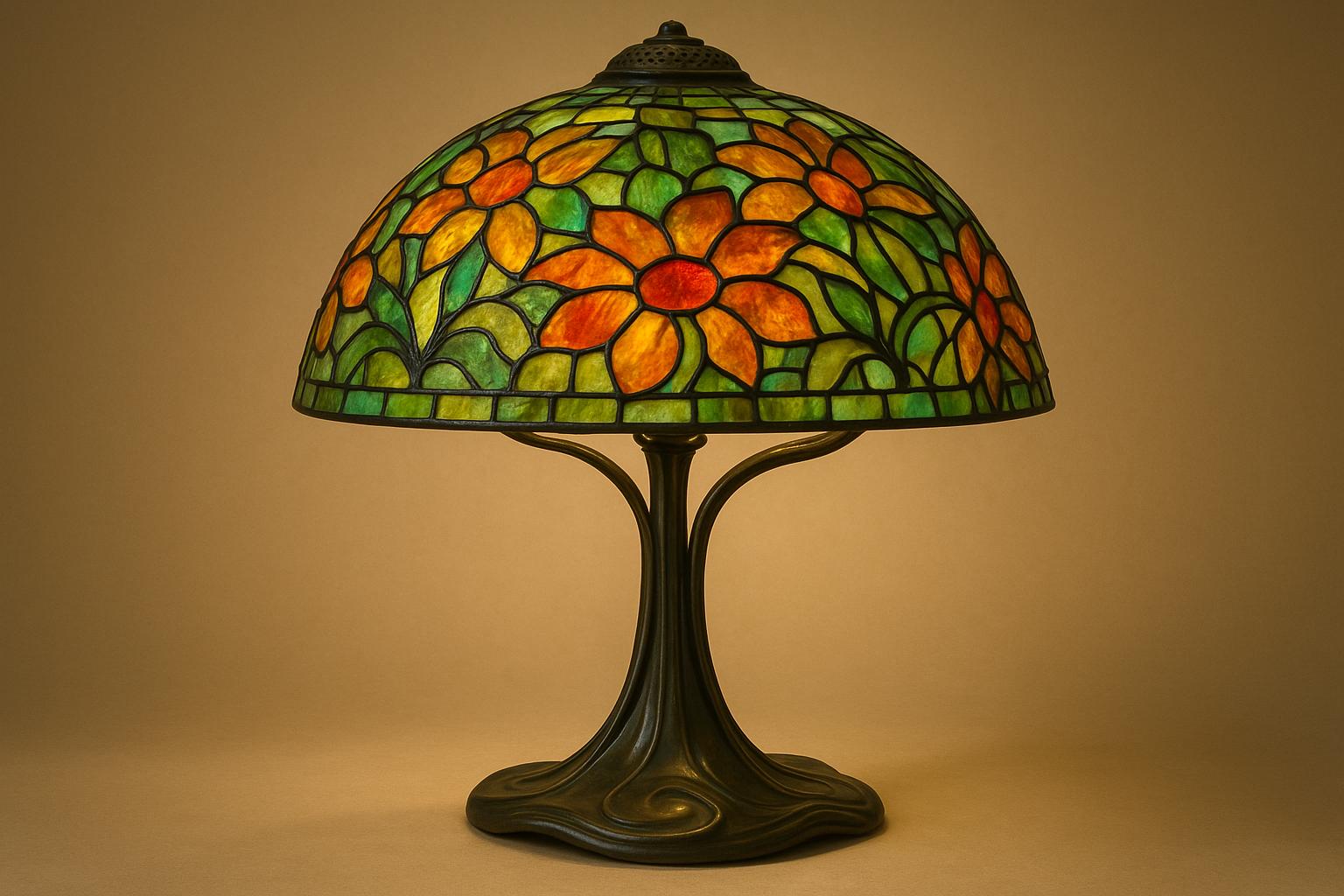
One of the most recognizable aspects of Art Nouveau lighting is the use of colored glass. The vibrant hues and intricate designs of this medium allowed designers to create visually captivating pieces that echoed the movement’s devotion to nature-inspired motifs and flowing lines.
Aesthetic Characteristics of Art Nouveau Glass
Art Nouveau glasswork was characterized by its fluid forms and vivid colors. Designers often incorporated motifs such as blossoms, vines, or mythical creatures, fostering a seamless interplay between structure and decoration. The glass itself was treated as a canvas, wherein colors and textures were layered carefully to produce a three-dimensional effect.
This era celebrated glasswork as an art form, not merely a functional element. The use of prismatic colors allowed light to refract in unique ways, effectively transforming mundane electric lamps into objects of beauty and fascination.
Tiffany and the Innovation of Stained Glass
Louis Comfort Tiffany was a pivotal figure in popularizing the use of stained glass in Art Nouveau lighting. His work with Favrile glass introduced a new level of color and detail to lamp design. Emulating the aesthetic qualities of natural surroundings, Tiffany’s lamps often featured floral and botanical motifs, emphasized by the brilliant colors inherent to stained glass.
Tiffany’s glasswork extended beyond just aesthetics; it incorporated functionality. The layered glass and unique techniques ensured that light was not only refracted but softened, creating an inviting atmosphere through diffused colors and shadows.
Techniques and Materials
Stained glass in Art Nouveau lighting was crafted using several techniques. The copper foil method, popularized by Tiffany, allowed for intricate patterns and a smoother finish compared to the traditional lead came process. This technique facilitated the creation of lampshades with complex designs and vibrant color schemes.
These lamps typically incorporated a variety of glass types. Opalescent glass, known for its varying opacities and shimmering appearance, was a favored choice. Its ability to diffuse light resulted in a soft, luminous effect, enhancing the naturalistic motifs commonly found in Art Nouveau design.
The materials employed in these techniques varied widely but always aimed at enhancing the aesthetic appeal of the pieces. Apart from opalescent glass, iridescent glass was also commonly used, providing a lustrous finish that interacted dynamically with light.
Influence of Nature in Design
The affinity for nature prevalent in Art Nouveau is reflected in the motifs used for colored glass lighting. Designers often took inspiration from flowers, insects, and other elements of the natural world. This led to the widespread use of motifs such as dragonflies, lily pads, and peacock feathers, each rendered in vivid glass colors to decorate lampshades and lighting fixtures.
This inspiration wasn’t limited to visible forms only; the play of light through colored glass imitated natural phenomena like rainbows and sun-dappled foliage. Such natural emulation ensured that Art Nouveau designs offered a sensory experience going far beyond mere visual appeal.
The Legacy of Art Nouveau Lighting
The influence of Art Nouveau on contemporary lighting design remains significant. The emphasis on artistic expression through naturalistic themes and handcrafted elements continues to inspire modern designers. The use of colored glass, offering both aesthetic and functional advantages, persists as a popular choice in decorative lighting solutions.
Modern Interpretations and Innovations
In today’s design landscape, Art Nouveau’s principles are revisited with modern materials and techniques. Designers draw from this aesthetic while incorporating technology such as LED lighting to create contemporary works that still embody the spirit of natural beauty and craftsmanship precluded by Art Nouveau.
The principles of balance, asymmetry, and unity in diverse color palettes allow designers to innovate while paying homage to the movement’s original ethos. Modern artisans explore new glassworking techniques, perpetuating the dialog between tradition and innovation.
Conclusion
Colored glass played an integral role in the development and enduring appeal of Art Nouveau lighting. The innovation and artistry displayed by designers of the era set a high standard for craftsmanship and creativity. This historical art movement, through its pioneering use of colored glass, has left a lasting legacy that continues to illuminate and inspire.
The collaboration between form and function, coupled with the tactile beauty provided by colored glass, ensures that the Art Nouveau movement persists as a source of inspiration for designers and architects worldwide. As new generations encounter these historical works, they are prompted not only to appreciate their beauty but also to explore the unending possibilities of combining art with everyday functionality.