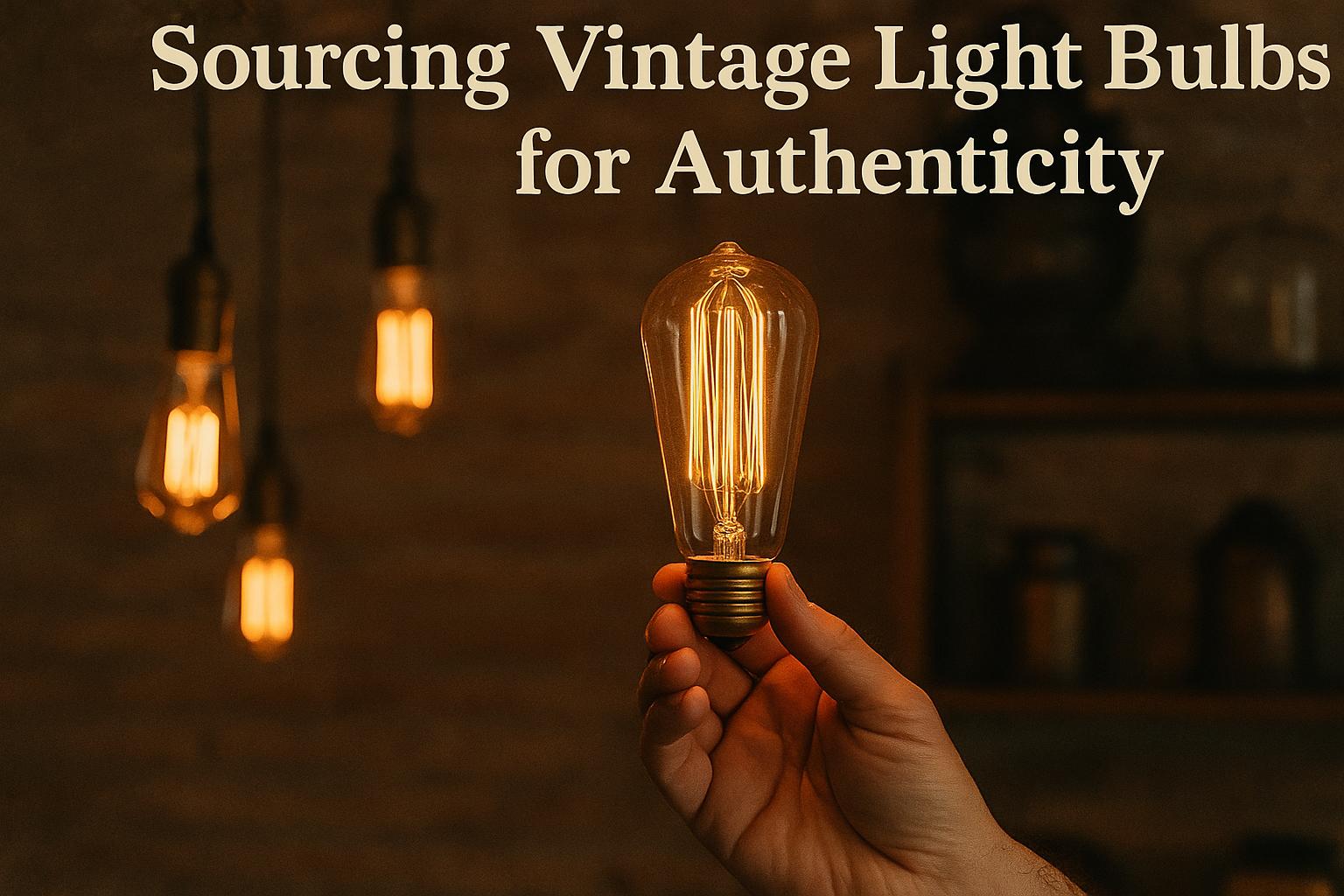
Sourcing Vintage Light Bulbs for Authenticity: A Comprehensive Guide
Preserving the authenticity of a historical restoration project or revamping the ambiance of a living space often entails the careful selection of lighting elements. Vintage light bulbs hold the power to dramatically transform a space, lending it a warm and inviting glow that modern bulbs often can’t replicate. These bulbs are sought after not just for their light but for their significant contribution to the historical aesthetic. The efficacy of a restoration greatly hinges on the choice of lighting, making vintage light bulbs an invaluable piece.
Understanding Vintage Light Bulbs
Vintage light bulbs are prized for their distinct construction and style, reflective of the technological prowess and design ethos of the era they originate from. These bulbs typically rely on incandescent filaments, celebrated for their ability to emit a pleasantly warm glow, reminiscent of a bygone era. Spanning from the early 1900s up through more recent decades, each vintage bulb tells its unique story, reflecting the evolutionary trends in lighting technology and design.
Recognizing Authentic Vintage Bulbs
Ensuring the authenticity of vintage light bulbs necessitates a keen eye for detail. Being able to identify the specific features that set genuine vintage bulbs apart from their modern reproductions is crucial.
Filament Type: Authentic vintage bulbs are often noted for their unique filament designs. Many incorporate carbon or tungsten filaments crafted into intricate patterns that not only produce light but create an art piece inside the glass. These filaments can vary significantly in appearance, from simple straight filaments to more elaborate spirals or zigzags, each representing the design preferences of a specific era.
Glass Design: An exploration of vintage bulbs will reveal a variety of glass designs, predominantly thicker than those found in modern equivalents. Iconic shapes like the Edison or squirrel cage designs are immediately recognizable and indicative of an authentic vintage piece. The glass might also have subtle tinges, like a slight amber or smoke, further accentuating their period character.
Base Material: The materials used in the base of vintage bulbs are often unique to their era. Brass bases, for example, were commonly used in certain periods and can provide a clue to the bulb’s age and authenticity. The patina developed over time adds to the vintage allure, distinguishing them from newer replicas that often utilize different materials or finishes.
By attentively examining these characteristics, purchasers can better distinguish genuine vintage bulbs from their modern-day imitations.
Where to Source Vintage Light Bulbs
Acquiring vintage light bulbs requires exploring several reliable avenues, each with its merits and considerations.
Antique Shops and Flea Markets
Antique shops and flea markets present a traditional yet highly regarded method for sourcing truly vintage light bulbs. They not only offer the chance to physically inspect the bulbs but also afford the opportunity to converse with vendors who possess rich knowledge and background on these historical items. This face-to-face interaction often provides insights that aren’t available through online research or descriptions. Inspecting the condition firsthand ensures that the purchase meets specific expectations for authenticity and usability.
Online Marketplaces
In today’s digital age, online marketplaces expand the horizon for sourcing vintage bulbs. They offer an extensive range of options, allowing for comparison across various sellers and platforms. Many online listings come complete with detailed photographs and descriptions, making it easier to discern the bulb’s features and potential fit for the intended use. Verifying the seller’s reputation through ratings and reviews is crucial to ensure the transaction results in a genuine vintage purchase. Additionally, engaging in dialogue with sellers by asking pointed questions about the bulb’s specifications can clarify doubts and aid in making an informed decision.
Estate Sales and Auctions
Estate sales and auctions are treasure troves for finding unique vintage light bulbs. These events often showcase items collected over a lifetime, providing bulbs that match specific historical requirements. Participating in auctions or attending estate sales enables prospective buyers to personally assess the condition of the bulbs and make decisions based on direct observation. Moreover, they offer an element of exclusivity, often featuring rare items not readily found elsewhere.
Assessing Condition and Usability
When pursuing vintage light bulbs, attention to their condition is as critical as understanding their design. Certain factors impact the bulb’s usability and its seamless integration into existing fixtures.
Integrity of the Filament: A thorough examination of the filament’s condition is necessary to ensure its functionality. Broken or loose filaments are more than superficial flaws; they can impede the bulb’s performance, necessitating replacements.
Glass Condition: Aesthetic and functional considerations prioritize checking the glass for any cracks, chips, or discolorations. Such issues might not only detract from the bulb’s appearance but also inhibit its performance or longevity in a fixture.
Base Compatibility: It’s imperative to verify that the bulb’s base matches the fixture in which it will be used. Compatibility concerns might arise due to differing sizes or threading, which can affect the bulb’s functionality or the safety of its installation.
Addressing these considerations ensures that purchases align with both aesthetic desires and practical needs.
Conclusion
The journey of sourcing vintage light bulbs is paved with considerations spanning authenticity, condition, and application. By diving deep into the particular characteristics of vintage bulbs, exploring diverse procurement avenues, and scrutinizing product conditions methodically, individuals and businesses can quite confidently procure and integrate these illuminating historical artifacts. Doing so not only serves the immediate decorative purpose but also carries forward the legacy of a bygone era, preserving history one bulb at a time.