Understanding the Roots of Midcentury Lighting Design
The quest for innovative design during the mid-20th century acted as a catalyst for a significant transformation in lighting construction and aesthetics. Stemming from the broader midcentury modern movement spanning the 1940s to the 1960s, lighting design from this era embraced modernist principles, focusing on simplifying forms and advancing functionality. This was a time when aesthetic refinement was paramount, as the fusion of form with function became more than just a design consideration—it was a philosophical approach reshaping products and environments globally.
The Philosophical Underpinnings of Modern Design
The midcentury era was characterized by a departure from excess ornamentation in favor of clean lines and simplicity. Rooted in the societal need for practicality, especially post-World War II, modernist designers aimed to create objects that were not only beautiful but also served their intended purposes efficiently. The practicality inherent to lighting design meant addressing both aesthetics and performance, ensuring illumination suited to evolving domestic and commercial spaces.
George Nelson’s Contributions
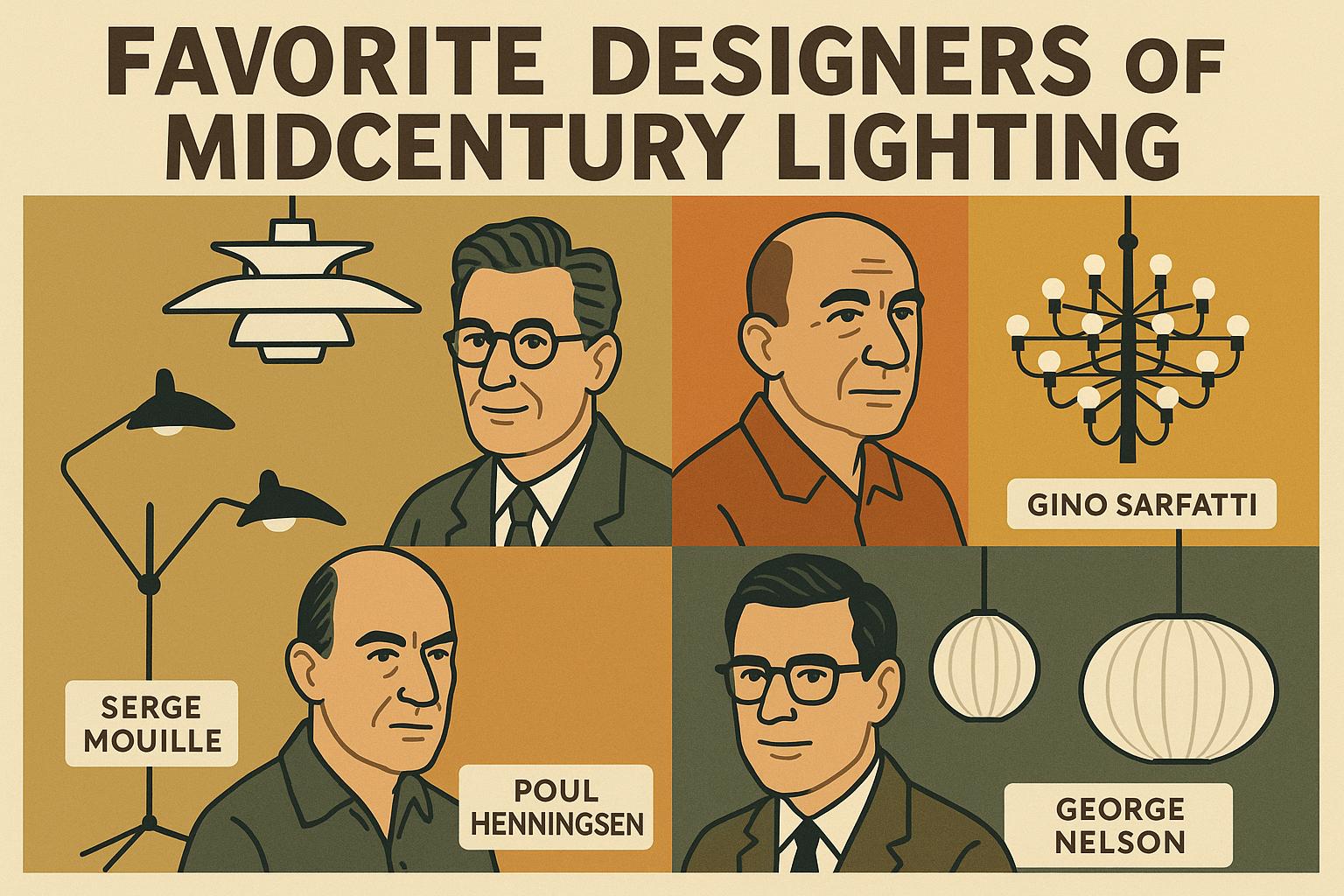
A luminary in industrial design, George Nelson, made profound advancements in the conceptualization of lighting as a functional art form. His Bubble Lamp, crafted in 1952, remains emblematic of the midcentury modern ethos. The essence of the Bubble Lamp—a product of Nelson’s desire to construct light fixtures that radiated warmth and simplicity—reflects the quintessential harmony of form and function. Nelson’s innovation lay not only in minimalist design but also in producing illumination that transformed spaces with its serene and inviting glow.
The Design Characteristics
Nelson’s designs were often marked by the use of straightforward materials and organic shapes that negated any superfluous ornamentation. His esteemed Bubble Lamp, for instance, integrated these elements perfectly, using a tautly stretched plastic skin over a wire frame to diffuse light effectively. The engineering and aesthetic sophistication encapsulated in Nelson’s creations stemmed from an understanding of modern materials and their potential to redefine interior spaces.
The Visionary Work of Gino Sarfatti
An icon in Italian lighting design, Gino Sarfatti, aligned his creative endeavors with cutting-edge technologies and innovative materials. Establishing Arteluce in the 1930s, Sarfatti’s work foresaw the evolution of residential and commercial lighting design. His prowess in applying materials like Plexiglas was complemented by a commitment to integrating contemporary technologies, setting a precedent for future designs.
Innovation and Aesthetics
Sarfatti’s approach to lighting design involved balancing minimalist aesthetics with innovative practices. His fixtures were not merely functional assets but also elegant compositions that harnessed the power of light to dramatically enhance and transform spaces. By reinterpreting traditional concepts through a contemporary lens, Sarfatti propelled lighting design into a new era where aesthetics were intricately linked to emerging technological advancements.
Functionality Harmonized with Aesthetics
Nelson and Sarfatti’s works converge on the principle that objects should embody both aesthetic grace and utilitarian function. Their creations represent a movement where efficiency in use paralleled beauty in form. This alignment with midcentury principles underpins why their designs continue to resonate with today’s designers, who seek to imbue new projects with similar harmonized qualities.
The Role of Modern Materials
One of the hallmarks of the midcentury lighting movement was the exploration and adoption of new materials that facilitated novel forms. Materials like metal, glass, and plastics were manipulated in ways that enhanced both the form and function of design pieces. By exploiting the properties of these materials, designers could push the boundaries of what lighting could look and feel like in modern interiors.
The Enduring Legacy of Midcentury Designers
The lasting impact of midcentury lighting design can be observed in the contemporary market where both vintage and modern reproductions of classic designs remain highly coveted. George Nelson’s Bubble Lamps and Gino Sarfatti’s elegant fixtures continuously capture the imagination of designers and homeowners alike. These pieces are emblematic of a timeless quality that transcends the temporary nature of most consumer products.
Influence on Contemporary Design
Today’s designers are not only influenced by the aesthetics of midcentury works but also by the principles underpinning their creation. The ongoing resurgence of midcentury motifs in contemporary design underscores a persistent appreciation for the clarity, elegance, and ingenuity that defines the era.
Continuity and Reinterpretation in Modern Design
As we observe current trends in interior décor, the influence of midcentury design principles can be discerned across various industries. Modern iterations of midcentury designs do not merely mimic past aesthetics; instead, they reinterpret them to suit 21st-century needs and sensibilities. By adhering to the foundational aspects of midcentury design—simplicity, functionality, and thoughtful use of materiality—contemporary designers continue to safeguard the legacy whilst fostering novel advancements.
Why Midcentury Lighting Resonates Today
Ultimately, the continuous relevance of midcentury lighting designs among enthusiasts and professionals is rooted in their innate ability to complement diverse personal styles and architectural environments. As functional art, these pieces provide strategic lighting solutions while simultaneously serving as historical markers of a period characterized by radical transformation in design thinking.
In conclusion, the enduring appeal of midcentury lighting testifies to its significance as a pivot in design evolution. The work of George Nelson, Gino Sarfatti, and their contemporaries laid down a template of elegance-through-simplicity and efficiency-through-innovation that continues to enrich our modern lives, one luminary piece at a time.