Introduction
Repurposing broken vintage fixtures presents an effective way to preserve history while also contributing to sustainable living. Often characterized by unique designs and exceptional craftsmanship, vintage fixtures can find new life through creative reimagining. This article explores practical methods for repurposing these nostalgic items and revitalizing their place in modern decor.
Understanding Vintage Fixtures
Vintage fixtures consist of items such as chandeliers, lamps, door handles, and faucets. These elements typically feature quality materials and intricate artistry that may be lacking in modern equivalents. Over time, however, the wear and tear from daily use can result in damage or functional obsolescence, requiring a reconsideration of their utility. Appreciating the intrinsic qualities and historical significance of these fixtures can inspire creative solutions for repurposing.
Steps to Repurpose Broken Fixtures
1. Assess the Condition
Begin by evaluating the fixture to gauge the extent of the damage it has incurred. Identify whether the piece is entirely repairable or if only certain components can be salvaged. Consider examining the condition of materials such as metals, glass, or wood. Understanding the original craftsmanship and the materials used can help form a basis for repurposing strategies.
2. Identify Potential Uses
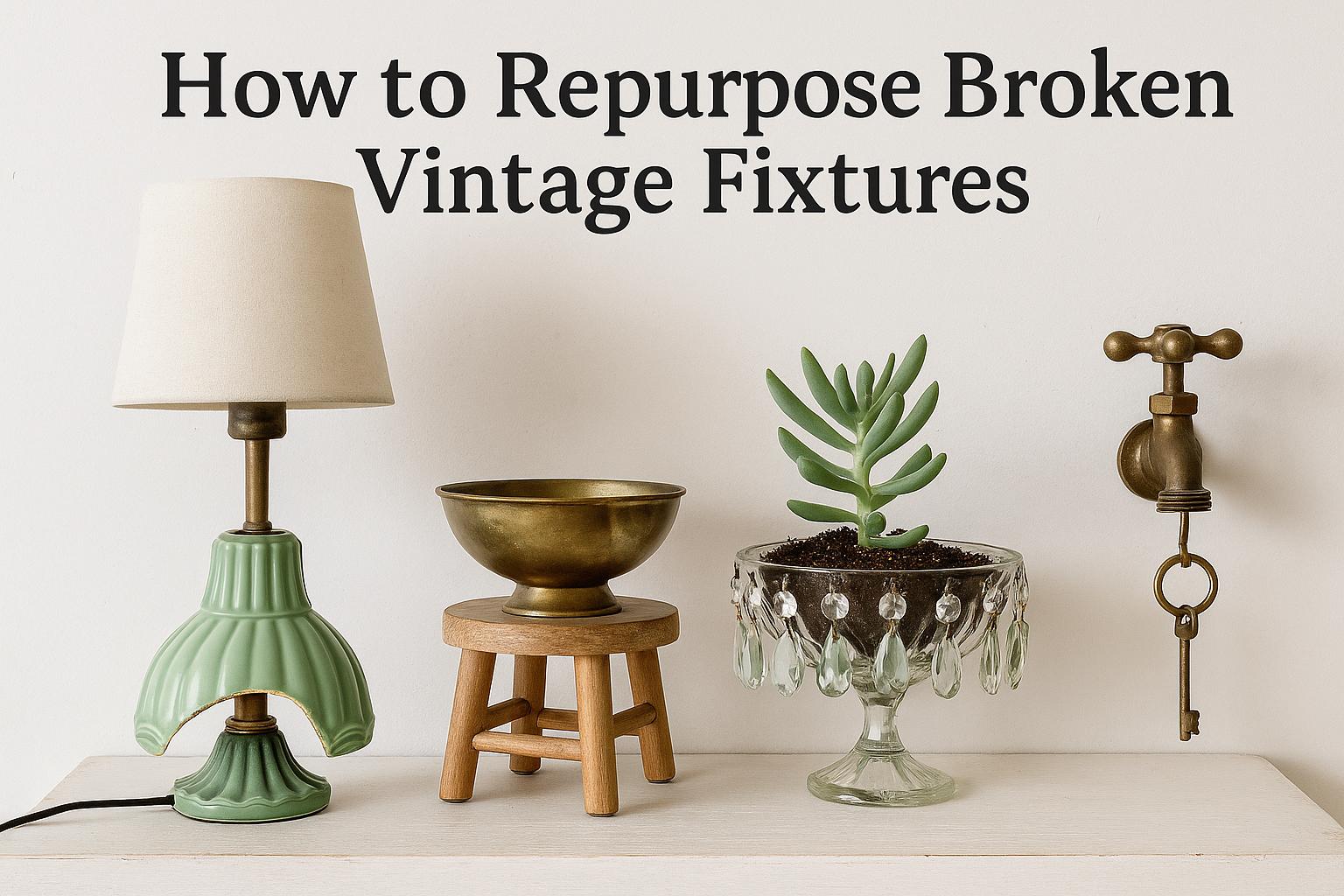
Once you have a clear understanding of the fixture’s condition, consider alternative uses for the piece or its individual components. Creativity is key, and the possibilities are vast. For instance, a broken chandelier arm may serve as an ornate wall hook, while a vintage faucet could be repurposed as an intriguing bookend. Think outside conventional applications to find a new context in which these elements can thrive.
3. Disassemble Carefully
Proceed to gently disassemble the fixture to extract usable parts. Special attention is needed to preserve intricate components that may serve as decorative elements or functional parts in their new roles. The delicate nature of many vintage fixtures requires patience and a steady hand to ensure the preservation of the artisan quality embedded in these pieces.
Creative Repurposing Ideas
While the steps above provide an initial framework, this section delves into specific creative ideas designed to maximize the potential of broken vintage fixtures, reinvigorating them with new life and purpose.
Lighting and Decorative Elements
Broken vintage lamps and chandeliers offer the opportunity to transform into unique lighting or distinctive decorative pieces. For example, consider using a vintage lamp base as a candle holder. Additionally, individual parts like glass shades or metal arms can be creatively reimagined to produce stunning table centerpieces or modern sculptures. The potential for lighting uses is nearly limitless when considering the artistic nature of these components.
Furniture Accents
Components from vintage fixtures can bring character and distinction to furniture pieces. Using vintage handles or knobs as replacements for bland contemporary counterparts on cabinets and drawers can introduce a touch of historical charm. Furthermore, strategically positioning a vintage lamp base as a unique foot for a small table or stool creates a focal point that marries the old with the new.
Garden and Outdoor Use
Repurposing vintage fixtures for outdoor spaces can enhance the ambiance and functionality of gardens. Elements such as faucet handles can function as hangers for suspending outdoor lights or garden tools, adding a whimsical, vintage flair. Additionally, metal components can be thoughtfully arranged to craft garden ornaments or plant trellises, integrating historical elegance with nature’s beauty.
Benefits of Repurposing
Engaging in the repurposing of broken vintage fixtures offers several tangible benefits:
Environmental Impact
Repurposing prevents unnecessary waste from entering landfills, aligning with environmentally friendly practices that emphasize resource conservation and waste reduction.
Preservation of Artistry
This process maintains the integrity and appreciation of original craftsmanship, allowing people to continue experiencing and valuing historical design elements in contemporary settings.
Unique Aesthetic
Repurposed fixtures bring a distinct aesthetic appeal to any environment, often becoming conversation starters due to their intriguing history and transformation narrative.
Conclusion
Repurposing broken vintage fixtures is a multifaceted approach that melds sustainability with creativity, providing an opportunity to integrate pieces of history into modern settings. By assessing each fixture’s condition, identifying potential new uses, and carefully disassembling components, these items can enjoy a second life, offering both practical functionality and decorative appeal. Whether employed for enhancing indoor aesthetics or contributing to outdoor garden charm, vintage fixture components embody a richness of possibilities that harmonize well with environmentally conscious living. Embracing this practice not only preserves history but nurtures a forward-thinking mindset about sustainability and reuse.