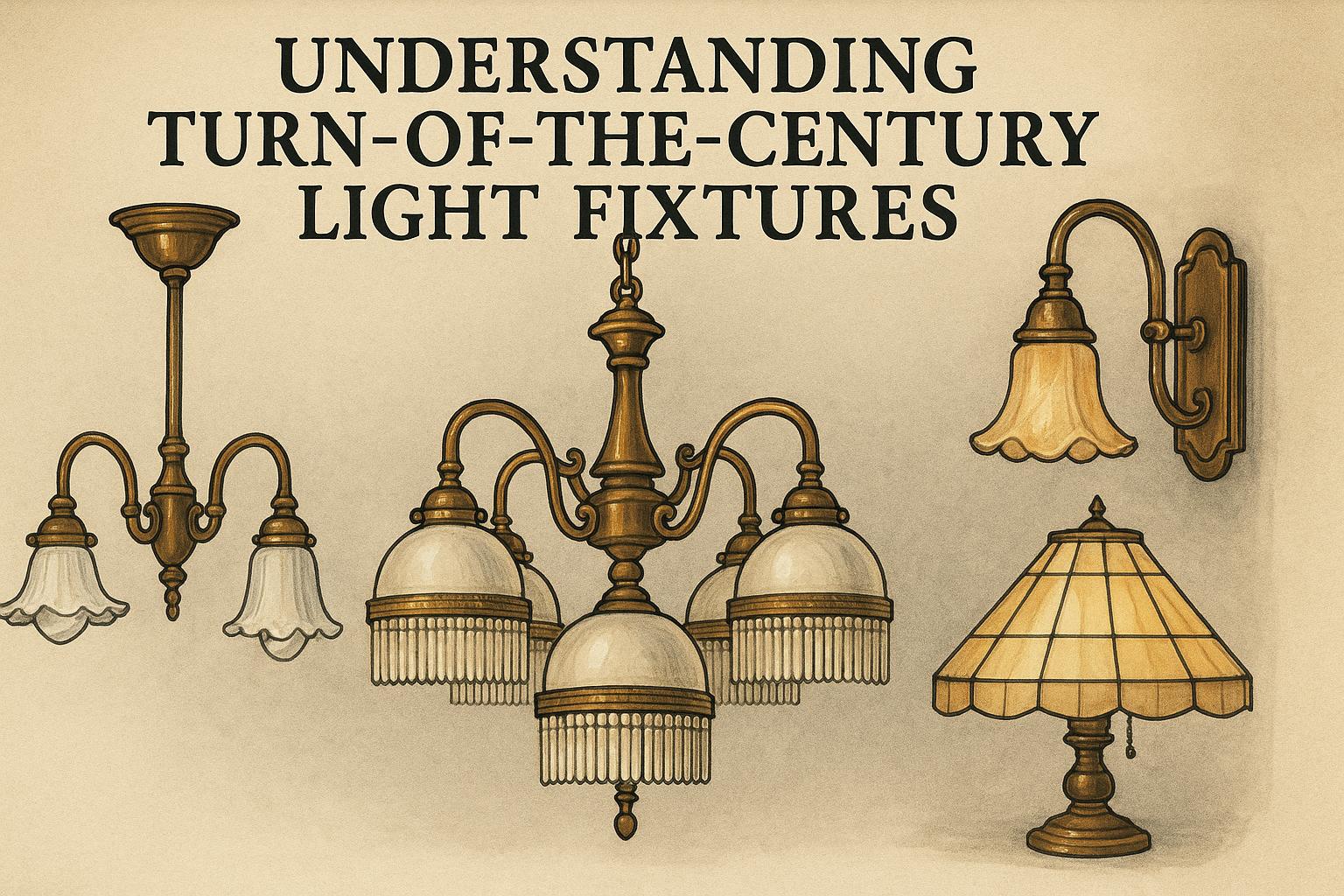
Introduction to Turn-of-the-Century Light Fixtures
Turn-of-the-century light fixtures, dating from the late 19th century to the early 20th century, offer a window into the transitional period of lighting technology. This era was marked by the transition from gas to electric lighting, reflecting broader technological advancements and societal changes of the time. The fixtures from this period not only served as functional elements in homes and public spaces but also stood as symbols of innovation and artistic expression.
The Evolution of Lighting Technology
In the late 1800s, gas lamps were undeniably the dominant source of artificial lighting, providing illumination to many urban and rural settings. However, as the benefits of electricity became increasingly evident, a gradual yet monumental shift occurred. This transition from gas to electric lighting was not simply about replacing an old technology with a new one; it represented a broader shift towards modernization and increased convenience.
The widespread adoption of electricity during this time can be attributed to inventors and innovators such as Thomas Edison, who played a pivotal role in making electric lighting not only a viable but also a desirable option for the public. Edison’s development of the practical incandescent light bulb provided a reliable and safer alternative to gas lamps, which were often associated with risks such as fires and explosions. With electricity’s proliferation, manufacturers seized the opportunity to develop a myriad of electric lighting fixtures designed for both functional and decorative purposes.
Styles and Features
Turn-of-the-century lighting fixtures are renowned for their elaborate and diverse designs. They often blended various artistic styles, including Art Nouveau and Arts and Crafts, each bringing its own unique elements to the table. These styles were characterized by their intricate patterns and natural motifs, reflecting the aesthetic preferences of the era.
Manufacturers utilized materials such as glass, brass, and wrought iron to create fixtures that ranged from the ornate to the simple. These choices of materials were not merely aesthetic; they were also functional, providing durability and enhancing the light quality. Innovations in glassmaking, such as the renowned Tiffany technique, enabled the creation of vibrant and colorful stained glass shades. These shades added a new level of artistry to the fixtures, casting a kaleidoscope of colors that transformed ordinary spaces into shimmering canvases of light and shadow.
Art Nouveau Influence
The influence of Art Nouveau on light fixture design during this period is unmistakable. Known for its elegant, flowing lines and organic forms, Art Nouveau sought to break away from the rigid and traditional forms of previous eras. Designers drew inspiration from natural elements, incorporating floral motifs, curvilinear shapes, and exquisite detailing into their creations. These fixtures were not just sources of light; they were pieces of art that aimed to harmonize with the architectural and interior design trends of the time. This approach created a cohesive aesthetic that was both modern and timeless, capturing the imagination of those who experienced them.
Arts and Crafts Movement
The Arts and Crafts movement, with its emphasis on craftsmanship and the inherent beauty of materials, left an indelible mark on turn-of-the-century light fixtures. This movement was a reaction against the industrialization of production, advocating instead for handcrafted pieces that celebrated individual artistry and the raw beauty of natural materials. Light fixtures influenced by the Arts and Crafts movement often featured simple yet elegant designs, highlighting the quality of workmanship and prioritizing function over superficial ornamentation. The use of handcrafted materials and exposed construction methods were hallmarks of this style, offering an aesthetic that was both authentic and unpretentious.
Impact on Modern Lighting Design
The design philosophy and techniques of turn-of-the-century lighting fixtures have had a lasting impact on modern lighting design. These fixtures demonstrated how functionality and artistry could coexist, a principle that has influenced subsequent design movements such as Art Deco and Mid-Century Modern. The integration of art and function seen in these fixtures set a precedent for future designs, establishing a standard where aesthetics and utility are given equal importance.
Today, designers often draw inspiration from this rich period of innovation, incorporating similar materials, techniques, and styles into contemporary lighting solutions. This reverence for historical design manifests in modern pieces that echo the elegance and sophistication of their predecessors while embracing contemporary technology and functionality. The enduring appeal of turn-of-the-century designs lies in their ability to evoke a sense of nostalgia while seamlessly fitting into today’s aesthetic landscape, bridging past and present with elegance and grace.
Conclusion
Understanding turn-of-the-century light fixtures provides invaluable insight into a significant period of innovation in lighting technology. These fixtures serve as a testament to human ingenuity and the relentless pursuit of progress. Whether studied for historical context or used as inspiration for modern design, they continue to illuminate our understanding of the past while influencing contemporary design choices.
Appreciating these designs encourages us to recognize the value of aesthetics and craftsmanship in everyday objects. They remind us that functionality and artistic expression can coexist beautifully, enriching our environments and enhancing our lives. As we look to the future of lighting design, the lessons from turn-of-the-century fixtures remain relevant, encouraging a balance between innovation and tradition, artistry, and practicality.