Introduction to Schoolhouse Lights
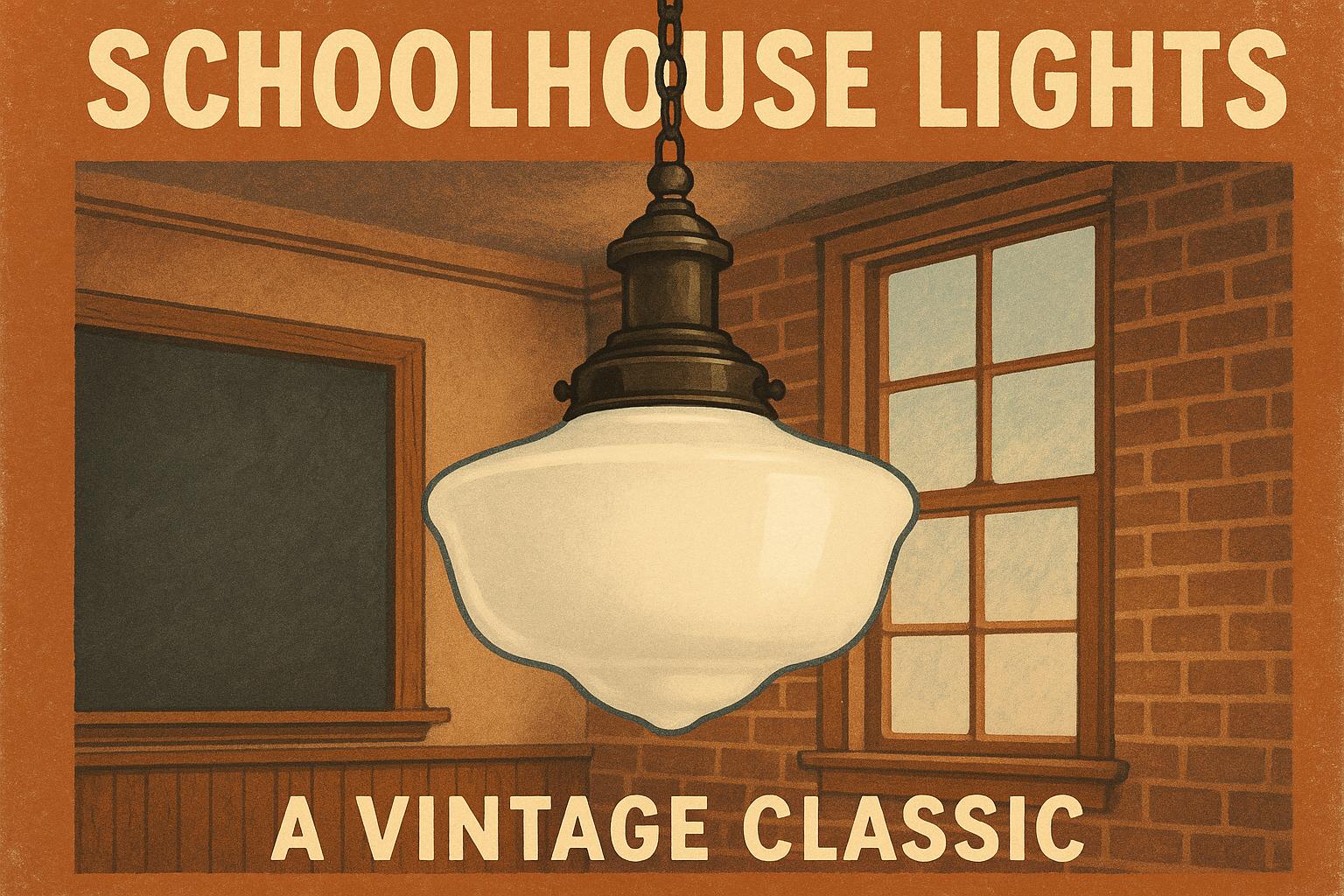
Schoolhouse lights, emblematic of American architectural style, represent a timeless aesthetic that has remained popular over the years. Originally introduced in the early 20th century, these fixtures were initially associated with educational settings, which is why they bear the name ‘schoolhouse.’ They are known for their straightforward yet highly functional design, typically consisting of opal glass shades alongside brass or nickel fittings.
The Design Characteristics
Materials and Shape: At the core of the school’s lighting design is the glass shade, usually made from opal or milk glass. This material is celebrated for its ability to diffuse light effectively, creating a gentle and even glow that is ideal for a variety of applications, extending well beyond educational environments. The shades are attached to metal fixtures, predominantly utilizing brass or nickel, which enhance their retro aesthetic and appeal.
Shape and Structure: The distinctive feature of schoolhouse lights is their globe-shaped glass shades. While certain variations exist, such as elongated or more angular forms, the overall design remains clean and uncluttered. This minimalist line is a key aspect of their design, offering versatility that allows them to blend effortlessly with assorted decor styles.
Historical Context
The rise in popularity of schoolhouse lights coincided with a time when educational institutions and public buildings in the United States were experiencing significant growth. As the demand for effective and affordable lighting solutions increased, these fixtures became a logical choice. Their design philosophy was rooted in practicality; the opaque glass shades distributed light evenly across classrooms, ensuring that educational activities could proceed unhindered by inadequate illumination.
Contemporary Use
In today’s world, schoolhouse lights are cherished for their enduring qualities and their ability to enhance both contemporary and classic interiors. They are no longer exclusive to educational settings. Instead, they are frequently employed by homeowners and interior designers in spaces such as kitchens, hallways, and bathrooms to cultivate a retro or industrial atmosphere.
Adaptations in Modern Interiors: The flexibility of schoolhouse lights is evident in their implementation in modern environments. Designers often integrate them with contemporary fittings or pair them with different vintage pieces to form eclectic spaces. Modern adaptations may also involve the inclusion of LED bulbs or colored shades, broadening their use while preserving their timeless appeal.
Stylistic and Functional Versatility
The charm of schoolhouse lights lies not only in their historical roots but also in their ability to adapt to various styles and functions. In minimalist settings, their unobtrusive design adds a touch of subtle elegance without overwhelming the environment. On the other hand, when placed in a more ornate setting, they complement the surroundings with understated grace.
Cross-Genre Popularity: Schoolhouse lights have crossed genre boundaries, becoming popular in not just residential spaces but also in restaurants, cafes, and even office buildings. In commercial settings, they offer a nostalgic touch while serving the practical requirement of good lighting.
Comparative Durability
Compared to many modern lighting options, schoolhouse lights offer significant durability. The materials used, particularly metal and glass, are less prone to wear and tear over time. This makes them an economically sensible choice for many, as they require minimal maintenance and provide long-lasting service.
Environmentally Friendly Choices
With growing emphasis on sustainable living, many manufacturers have introduced environmentally friendly schoolhouse lights. These incorporate energy-efficient technologies like LED, which allows users to enjoy their vintage appeal without compromising on energy sustainability.
Recyclability: In addition, the core materials—metal and glass—are recyclable, making them an apt choice for eco-conscious consumers. This aspect further enhances their desirability among those who seek to combine aesthetic appeal with an ethical approach to design and functionality.
Conclusion
Schoolhouse lights maintain a lasting popularity owing to their blend of practicality and nostalgic charm. Their use extends beyond their original educational purpose, highlighting their versatile nature. Whether featured in a minimalist modern apartment or an historically themed Victorian home, these lighting fixtures offer a nod to history while fulfilling present-day lighting needs effectively.
In sum, schoolhouse lights have successfully evolved from their early 20th-century origins into essential elements of contemporary design, admired for their ability to evoke the past even as they serve current needs. Whether retained in their classic form or adapted with modern technologies, their contribution to both aesthetic and functional lighting solutions remains unmatched.