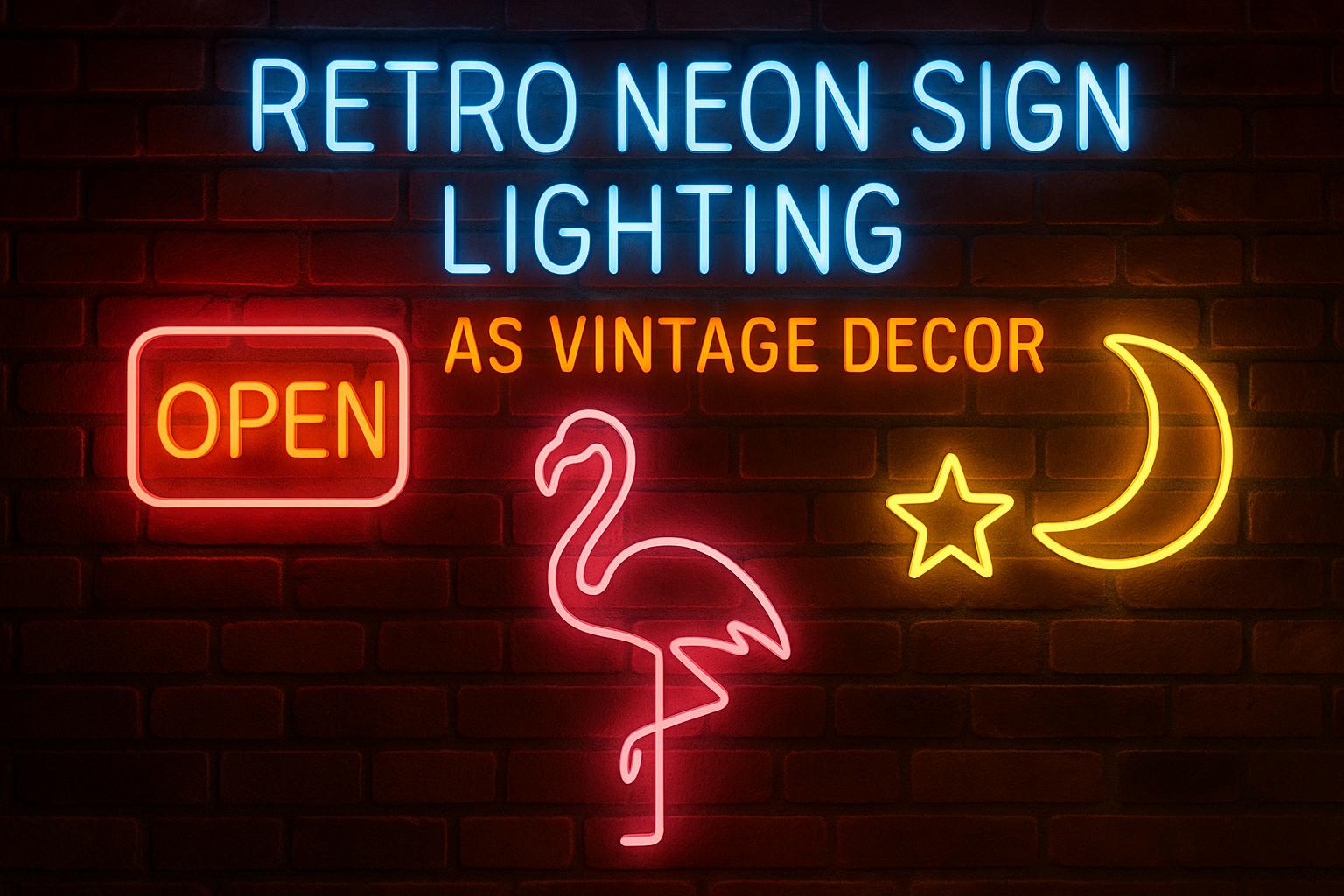
Introduction to Retro Neon Sign Lighting
Retro neon sign lighting has garnered significant attention as vintage decor. These luminous signs, originally prevalent in the mid-20th century, are making a comeback due to their unique aesthetic appeal and nostalgic value. In contemporary interior design, they serve not only as vibrant elements but also as conversation starters.
History and Origin
Neon signs originated in the early 20th century, with the first public display taking place in 1910 by French engineer Georges Claude. By the 1950s and 1960s, they had become ubiquitous in advertising, particularly in the United States. Known for their eye-catching glow, these signs were typically crafted from glass tubes filled with neon gas, emitting a warm and inviting brilliance that has become symbolic of vintage Americana.
Furthermore, the development of neon technology marked a significant milestone in advertising and signage. This period saw neon signs becoming a symbol of urban landscapes, transforming city streets into vibrant exhibits of color and light. Emphasizing their role in cultural and commercial contexts, neon signs became integral to businesses seeking to attract attention and stand out in a competitive market. The visual allure of these signs helped businesses captivate passersby, making them an essential component of marketing strategies during that era.
Design Characteristics
Color and Glows: Neon signs are recognized for their bright, eye-catching colors that range from vivid reds and blues to more subdued pastel hues. This versatile color palette has been instrumental in maintaining their enduring popularity. The colorful glow, achieved through the use of various gases and coatings inside the tubes, allows for creativity in design and enhances their visual appeal. Additionally, the luminous effect of neon signs adds depth and character to any environment, making them a favored choice for designers and decorators.
Shapes and Themes: Retro designs often reflect iconic symbols such as arrows, palm trees, or diner motifs. The diverse range of themes allows for easy incorporation into various design styles, giving them a timeless quality. These themes often evoke a sense of nostalgia, transporting onlookers back to a different era. Furthermore, the capacity to personalize these shapes according to different motifs and themes brings an element of uniqueness to the spaces they adorn. Through this personalization, neon signs can be customized to fit specific preferences or brand identities, further enhancing their role in both personal and commercial spaces.
Applications in Modern Decor
Residential Spaces: Homeowners often use neon signs to add personality and flair to spaces such as living rooms, kitchens, and home bars. A well-placed sign can create a focal point or complement existing design elements. Neon signs in residential spaces can also serve a functional purpose, providing ambient lighting that creates a cozy and inviting atmosphere. By selecting designs that resonate with personal taste, homeowners can use neon signs as a means of self-expression, infusing their environment with character and vibrance.
Commercial Spaces: In the business sector, neon signs enhance the ambiance of bars, cafes, and retail stores. They are particularly effective in attracting attention in urban cityscapes, a feature leveraged by many enterprises. For business owners, neon signs offer a dynamic way to communicate brand identity and attract customers. The energetic glow and distinctive designs can draw in potential clients, setting businesses apart from surrounding establishments. Moreover, the retro charm of neon signs adds an element of nostalgia that can appeal to a broad range of clientele, making them versatile assets in commercial settings.
Practical Considerations
Installation: Setting up neon signs often requires professional assistance due to their fragility and the need for electronic transformers. Proper installation ensures that signs function safely and efficiently, reducing the risk of damage or malfunction. Professional installers have the expertise to handle the delicate materials of neon signs and ensure that the electrical components are correctly configured, contributing to the longevity of the sign.
Energy Consumption: Although traditional neon lighting consumes more energy compared to modern LED alternatives, advancements have improved their efficiency. Recent developments in neon technology have reduced energy consumption, making them more sustainable options for those committed to using authentic neon lights. However, it’s crucial for potential buyers to weigh the aesthetic and functional benefits against the energy requirements to make informed decisions that align with their environmental priorities.
Maintenance and Preservation
Proper maintenance is crucial for the longevity of neon signs. This includes regular cleaning of the glass tubes and periodic checks of electrical components. Ensuring that neon signs remain in optimal condition involves adhering to a maintenance routine that addresses both aesthetics and functionality. Regular cleaning prevents dust and grime from accumulating, which can obscure the brightness of the sign. Meanwhile, routine electrical checks can prevent issues such as flickering or uneven lighting, preserving the sign’s visual impact.
Vintage signs, in particular, may require restoration to maintain their original luster. Restoration efforts might involve repairing or replacing damaged components while retaining the original design, allowing these vintage signs to continue delighting admirers with their historical significance.
Contemporary Alternatives
In response to energy concerns, LED versions mimic the appearance of classic neon signs while being more energy-efficient and durable. These alternatives provide a similar aesthetic without some of the practical drawbacks, appealing to environmentally-conscious consumers. LED neon signs replicate the traditional look using more sustainable materials and lighting methods, offering a more eco-friendly option for those who appreciate the appearance of neon lights but prefer lower energy consumption.
Additionally, LED versions are often easier to maintain and install, reducing the need for specialized assistance. They are typically lighter and more flexible than traditional neon signs, allowing for greater versatility in design and placement. For individuals and businesses seeking the visual allure of neon without the associated challenges, LED alternatives present a balanced solution.
Conclusion
Incorporating retro neon sign lighting as vintage decor offers a blend of historical charm and modern vivacity. Whether used in residential or commercial settings, these signs continue to captivate with their visual impact and cultural significance. The ongoing appeal of neon signs lies in their ability to evoke nostalgia while remaining versatile enough to complement contemporary design sensibilities.
From their inception as revolutionary advertising tools to their resurgence as popular decor items, neon signs have maintained a unique place in both cultural and aesthetic landscapes. The fusion of form and function in neon sign design has enabled them to transcend their original purpose and solidify their status as iconic design elements. By embracing the vibrant allure of neon signs, individuals and businesses alike can tap into a rich tradition of expression and creativity, ensuring that these luminous wonders continue to shine brightly in modern times.