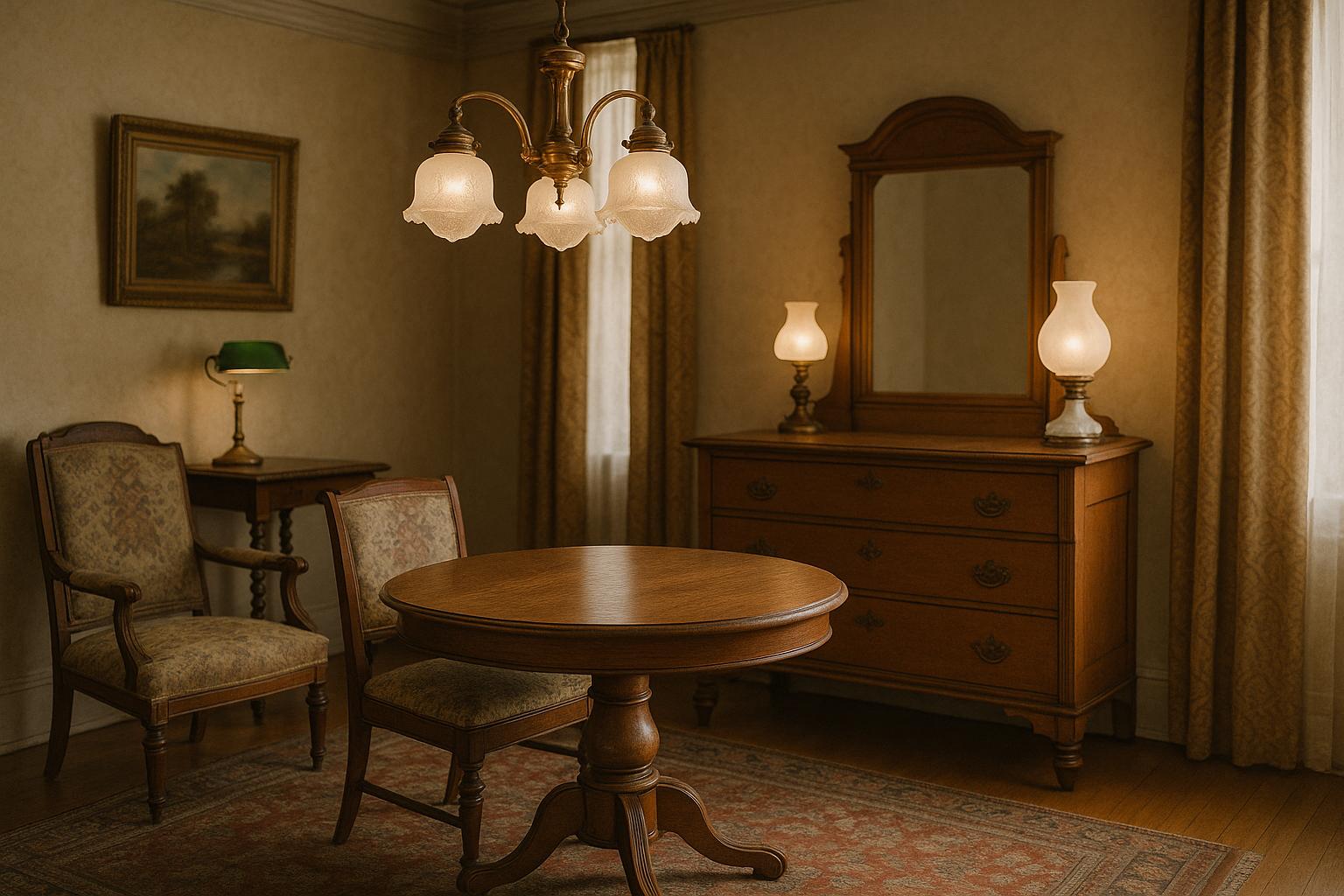
Understanding the Appeal of Vintage Fixtures and Period Furniture
Vintage fixtures and period furniture capture the essence of styles and craftsmanship from the past, offering enthusiasts the opportunity to enrich spaces with unique design elements. These items do not only bring charm and sophistication to interiors but also foster a deep appreciation for historical design movements. Creating a space that embodies these styles requires an understanding of how to blend vintage fixtures with period furniture harmoniously.
The Importance of Historical Context
To effectively combine vintage fixtures with period furniture, it is crucial to understand the historical context from which these pieces originate. This knowledge is pivotal in selecting items that not only complement each other but also maintain the integrity and authenticity of the period they represent. Each era has distinct aesthetic characteristics and design influences that are evident in the furniture and fixtures. Understanding these influences provides insight into the appropriate combinations and choices necessary to achieve a cohesive aesthetic that speaks to the historical period in question.
Identifying Period Styles
Familiarizing oneself with different period styles is fundamental to successfully integrating vintage fixtures with period furniture. Every design period boasts unique features and characteristics, often reflective of the cultural and technological advancements of its time.
Victorian Era (1837-1901): This period is celebrated for its opulent designs, featuring dark woods such as mahogany and walnut, intricate carvings, and luxurious textiles. Victorian light fixtures, such as ornate chandeliers and sconces, often include elaborate detailing and rich finishes, suitable for pairing with similarly lavish furniture pieces.
Art Nouveau (1890-1910): Marked by its flowing lines and natural forms, Art Nouveau design incorporates elements inspired by nature, such as floral motifs and organic curves. Fixtures from this period usually blend seamlessly with the intricate woodwork found in Art Nouveau furniture, both celebrating the harmonious connection between man-made objects and the natural world.
Art Deco (1920-1940): Defined by its bold geometric designs, Art Deco furniture and fixtures feature sleek and luxurious materials, such as chrome, glass, and exotic woods. The symmetry and precision of Art Deco elements are best appreciated when paired together, creating a sophisticated and modern aesthetic representative of the roaring twenties and the optimism of the industrial age.
Matching Fixtures with Furniture
Achieving a cohesive interior that showcases vintage fixtures and period furniture requires an appreciation for several important factors, such as material consistency, design features, and scale.
Material Consistency: It is advisable to select fixtures fashioned from materials that naturally complement the furniture. For instance, brass light fixtures pair exceptionally well with furniture that incorporates brass detailing, as they afford a harmonious and visually appealing integration.
Design Elements: Identifying common motifs and themes within both the fixtures and furniture strengthens the overall aesthetic. If a furniture piece features motifs such as geometric patterns or floral emblems, fixtures with similar designs enhance the visual harmony of the space.
Scale and Proportion: Consideration of scale is fundamental when incorporating fixtures and furniture. Oversized fixtures can overpower delicate period furniture, while undersized ones might not render the desired visual impact. Balancing these elements is critical to maintaining a well-proportioned and aesthetically satisfying environment.
The Role of Color and Finish
Color and finish play significant roles in ensuring that vintage fixtures coordinate beautifully with period furniture. The variety in patinas and finishes found in vintage items allows for personalization when designing a space.
Patina Consideration: The finish of a fixture can dramatically influence the overall look of a room. Some homeowners embrace patinas and distressed finishes for their authentic charm and aged appearance, while others prefer restored pieces that offer a sleek and polished look. Understanding personal preferences for aged versus restored finishes helps in selecting pieces that match the desired aesthetic.
Functional Considerations Beyond Aesthetics
In addition to aesthetic harmony, functional aspects of vintage fixtures and period furniture should also be taken into consideration.
Maintenance and Upkeep: Vintage fixtures and furniture require specific care to maintain their beauty and functionality. Understanding the materials and construction will aid in selecting appropriate cleaning methods and maintenance routines.
Adaptations and Safety: Vintage light fixtures may require modern adaptations, such as updated wiring, to meet contemporary safety standards. Ensuring that these adaptations do not compromise the original design of the fixture is critical to maintaining its period authenticity.
Conclusion
Integrating vintage fixtures with period furniture transcends mere aesthetic choices; it involves a deep understanding of historical context and harmony in design elements. By focusing on historical influences, design motifs, material consistency, and finishes, enthusiasts can curate spaces that not only celebrate the past but offer rich, visually captivating experiences. Through careful and informed selection, these designs showcase timeless elegance, paying tribute to the artistry and meticulous craftsmanship of earlier eras, and ensuring that the charm of vintage style continues to enrich contemporary interiors. The allure of vintage and period styles persists as individuals seek to revive and honor the stories behind each piece, creating interiors that are as educational as they are beautiful.