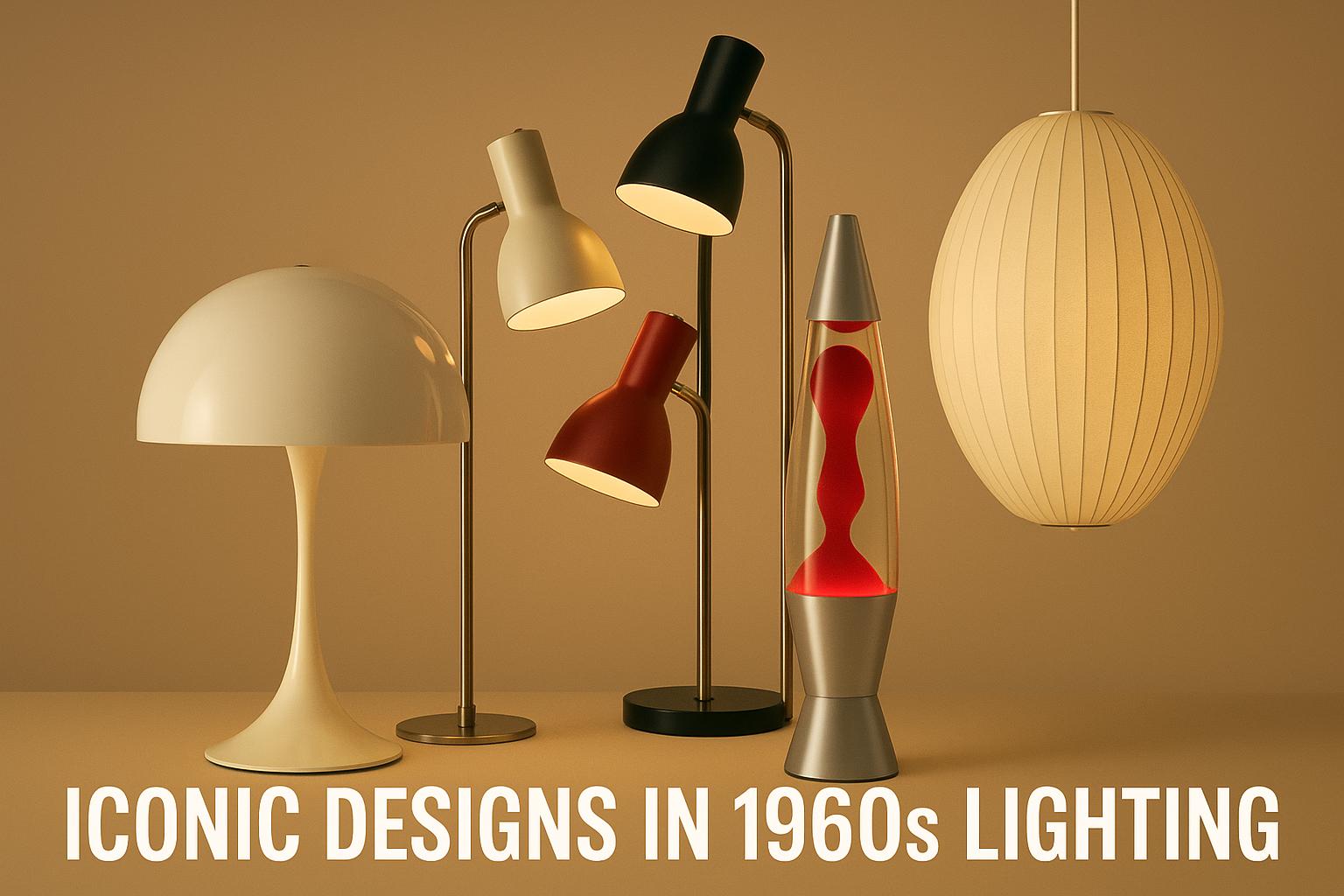
The Rise of Modern Design in the 1960s
The 1960s marked a transformative period that redefined cultural norms and technological advancements, directly influencing the realm of design. This decade witnessed designers undertaking bold explorations in various design spheres, particularly lighting, which emerged as a focal point for innovation. With the embrace of new materials, forms, and technologies, the 1960s gave birth to some of the most iconic and enduring lighting designs.
Innovative Materials and Techniques
Central to the design revolution of the 1960s was the adoption of innovative materials and techniques. The emergence of synthetic materials like plastics paved the way for an entirely new approach to designing lighting fixtures. Unlike traditional materials such as metal and glass, plastics introduced a malleability and versatility that allowed for more daring and imaginative designs. The introduction of acrylic and polyethylene notably expanded the horizon of possibilities, enabling designers to craft shapes that were previously unattainable. The era’s design ethos was further defined by a vibrant color palette, mirroring the broader cultural trends that emphasized expressiveness and individuality.
Synthetic materials opened up a world of possibilities, not only by allowing for the creation of novel shapes but also by making designs more accessible and affordable. The flexibility of plastics meant that designs could be mass-produced without losing their unique appeal. This accessibility brought modernist design into homes across the world, democratizing cutting-edge design for a broader audience.
Space-Age Influences
The decade’s fascination with space exploration—the so-called Space Age—left a profound imprint on design aesthetics. As humanity reached for the stars, the influence of this quest inspired designers to incorporate sleek, aerodynamic shapes and futuristic motifs into their creations. Lighting fixtures in this era often bore the appearance of celestial bodies; pendant lamps and table lamps frequently mimicked the forms of flying saucers or planets. This thematic influence not only resonated with the public’s excitement for space exploration but also encapsulated a vision of the future that was clean, efficient, and technologically advanced.
Designers drew inspiration not just from the aesthetic of space travel but from its ethos—a belief in progress and the potential of technology to reshape the everyday. This resulted in designs that were not just visually striking but conceptually profound, interweaving the ideas of modernity and innovation.
Notable Designers and Their Contributions
The 1960s were marked by the emergence of several lighting designers who would leave a lasting imprint on the world of design:
Gino Sarfatti emerged as an influential Italian designer renowned for his minimalist yet functional creations. Sarfatti’s work was characterized by a meticulous use of innovative materials, coupled with a focus on the functionality of lighting fixtures. He employed the beauty of simplicity, thus setting a standard that aligned perfectly with modern design principles and continues to inspire designers even today.
Verner Panton, celebrated for pioneering the use of plastics in design, brought a different kind of innovation to the field. His creations, marked by bold colors and playful, organic shapes, represented a departure from conventional design norms. Panton’s lighting designs were more than just utility objects; they were components of larger environments that invited interaction and engagement, immersing users in bold visual experiences.
The sibling duo Achille and Pier Giacomo Castiglioni were masters at balancing practicality with creativity. Their designs demonstrated an ability to merge aesthetic considerations with the everyday functionality of objects. Through their inventive work, they challenged conventional design paradigms, proving that functionality need not come at the expense of beauty and vice versa.
Together, these designers showcased a range of possibilities within lighting design: from functional minimalism to exuberant expressiveness, their contributions highlighted lighting’s potential as both an art form and an essential functional object.
Lasting Impact
The design innovations of the 1960s have left an indelible mark on contemporary design thinking and practice. The era’s embrace of new materials and forms laid the foundational principles of what would evolve into modern minimalism. Today, the widespread use of synthetic materials in everyday objects can trace its origins back to the pioneering work done during this pivotal decade.
The lighting designs created during this time are celebrated worldwide not just for their striking visual qualities but for their ingenuity in seamlessly marrying aesthetics with functionality. These iconic designs serve as continual reference points for contemporary designers, proving that creativity coupled with utility can result in timeless work.
The 1960s thus stands as a landmark era in the evolution of lighting design. It was characterized by an audacious willingness to question and defy design conventions, embracing the new and the innovative. This spirit of exploration and experimentation has forged a legacy that continues to inspire and influence the world of design, making the 1960s a pivotal chapter in the ongoing story of modern lighting design.