Understanding Your Vintage Lamps
Before you begin photographing vintage lamps for sale, it’s important to have a clear understanding of the items you are documenting. Vintage lamps come in a variety of styles, designs, and historical contexts. Identifying the period or style of the lamp can provide a solid foundation for determining the target market and how best to showcase the piece. Is your lamp a mid-century modern floor lamp, an Art Deco table lamp, or perhaps a Victorian-era oil lamp? Knowing this will guide not only the way you photograph the item but also how you describe it in your listing.
Choosing the Right Background
Selecting an appropriate background for your vintage lamps is crucial. A neutral or simple background often works best as it doesn’t distract from the item itself. Consider using a plain white or gray backdrop, or even natural textures like wood for contrast. This simplicity helps highlight the lamp’s details, color, and design, allowing potential buyers to focus on the lamp itself. Utilizing such backgrounds minimizes visual clutter and ensures the lamp remains the focal point, presenting it in a clean and professional manner.
While a plain background is often recommended, occasionally, a well-thought-out thematic backdrop can enhance the vintage lamp’s appeal. For instance, placing an Art Deco lamp against a subtly patterned art deco wallpaper can help contextualize its style. Yet, it’s vital that the chosen backdrop doesn’t overpower or distract from the lamp’s unique qualities. The color in the background should contrast enough to highlight the lamp, but not to the extent where it becomes the main focus of the photograph.
Using Natural Light
When photographing vintage lamps, natural light is often preferable. It provides a soft, even illumination that can highlight the lamp’s features without casting harsh shadows. Set up your shoot near a large window during the day to take advantage of diffused sunlight. If you’re shooting in a room with limited natural light, consider using a light box or soft box to mimic these conditions. Avoid using direct, harsh lighting, as this can create glare and mask intricate details.
The use of artificial lighting should be minimal, yet there are instances when a bit of additional light can aid the photoshoot. For instance, during evening shoots or in otherwise dim settings. When using artificial light, opting for lamps that simulate daylight can assist in maintaining color accuracy. Balancing the use of reflection and shadow can contribute to showcasing the true essence of the vintage lamp. Be mindful of the nuances of light intensity as it affects the perception of depth, shadows, and highlights on the lamp’s surface.
Capturing Different Angles
To fully demonstrate the characteristics of your vintage lamp, capture it from various angles. Take photographs from the front, sides, and back to provide a comprehensive view. Close-ups of intricate details, such as patterns, textures, and designs, can be particularly enticing to collectors and vintage enthusiasts. If the lamp has any unique features, such as an original manufacturer’s mark or signature, be sure to include these as well.
Capturing the lamp from different angles allows prospective buyers to understand its form and function comprehensively. Each angle may uncover specific characteristics that resonate with different individuals. Some buyers may focus on the silhouette, while others may be captivated by the intricacy of design. Offering a complete 360-degree visual argument often results in better engagement and informed purchasing decisions, providing buyers with the visual assurance they seek before making a purchase.
Highlighting Functionality
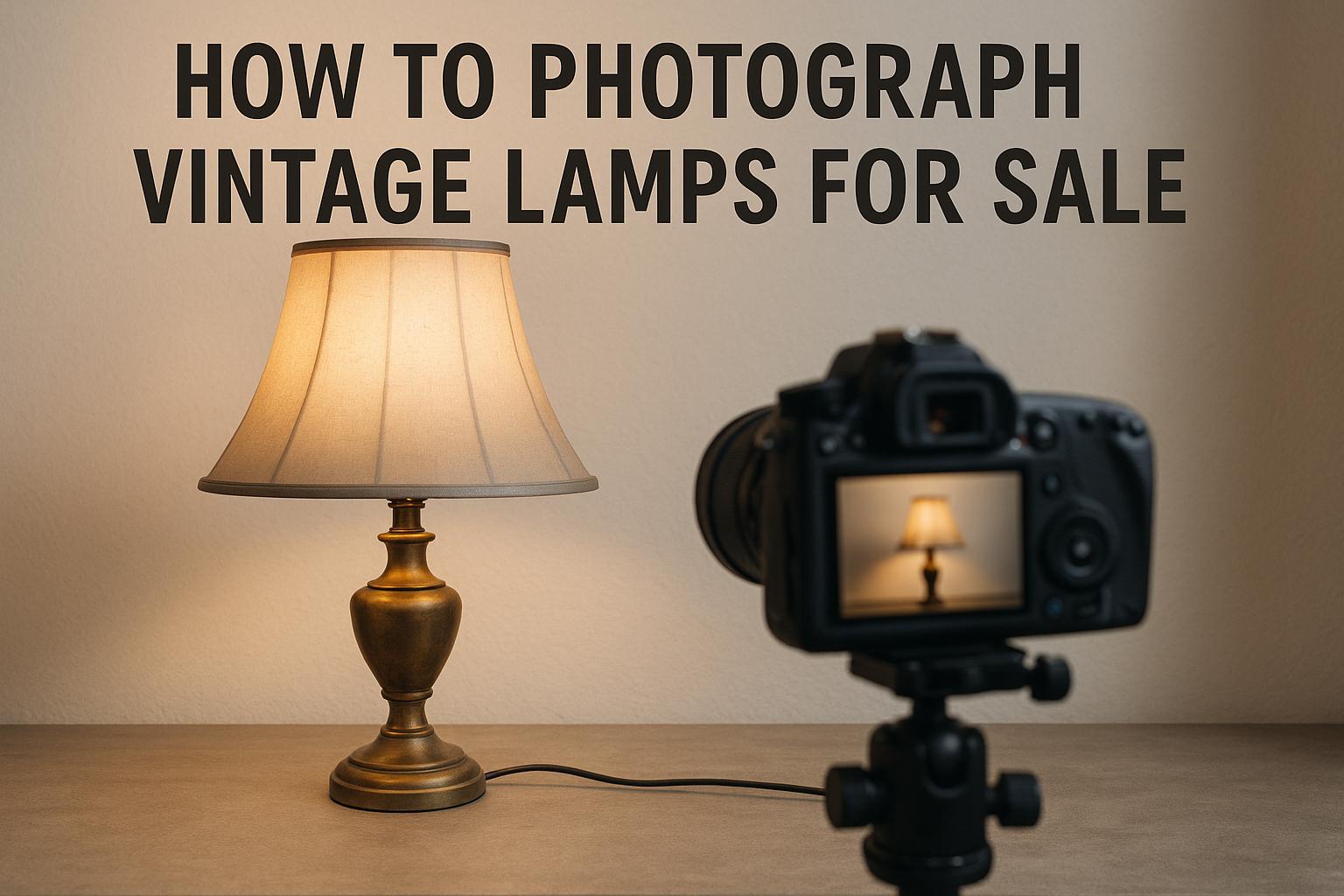
Showcase the functionality of the lamp by photographing it both lit and unlit. This allows potential buyers to see not only the aesthetic qualities of the lamp but also the ambiance it creates when in use. Capture images that demonstrate how the lamp disperses light, and if possible, adjust your camera settings to reflect the warm glow typically produced by vintage lighting.
The illumination characteristics of a vintage lamp are a significant part of its appeal. A well-lit lamp can transform a space, adding warmth and character. When documenting the lamp’s functionality, also consider how it interacts with its surroundings. Take into account the play of shadows and light, how the lamp’s design features are accentuated when illuminated, and the overall effect on ambient light within a room. Equally, showcasing the unlit lamp is crucial as many vintage collectors value sculpture-like design attributes that contribute to daylight aesthetics.
Post-Processing and Editing
After capturing your images, spend some time editing them to ensure they are as professional and appealing as possible. Adjust brightness, contrast, and color balance to ensure accuracy and representation. Crop images to remove any distractions and focus on the lamp. However, be cautious not to over-edit, as this can lead to misrepresentation of the item. The goal is to present the lamp accurately but attractively.
In the post-processing stage, maintain a balance between enhancing the photograph aesthetically and retaining authenticity. The adjustments should be subtle enough to remain truthful to the lamp’s genuine character. Use editing software to enhance the lamp’s natural colors and correct any distortions or misrepresentations created by lens issues or lighting during the shoot. Pay attention to minor imperfections that may need correcting, yet ensure your edits don’t create an unrealistic impression of the item. This step not only refines the visuals but can significantly increase buyer confidence by showcasing the item in a polished yet authentic manner.
By thoughtfully preparing and executing your photo session, you enhance the chances of presenting the vintage lamps in a way that resonates with potential buyers, leading to successful sales. Paying attention to these key aspects of understanding, visualization, and presentation will ensure that your vintage lamps receive the attention they deserve in a competitive marketplace.