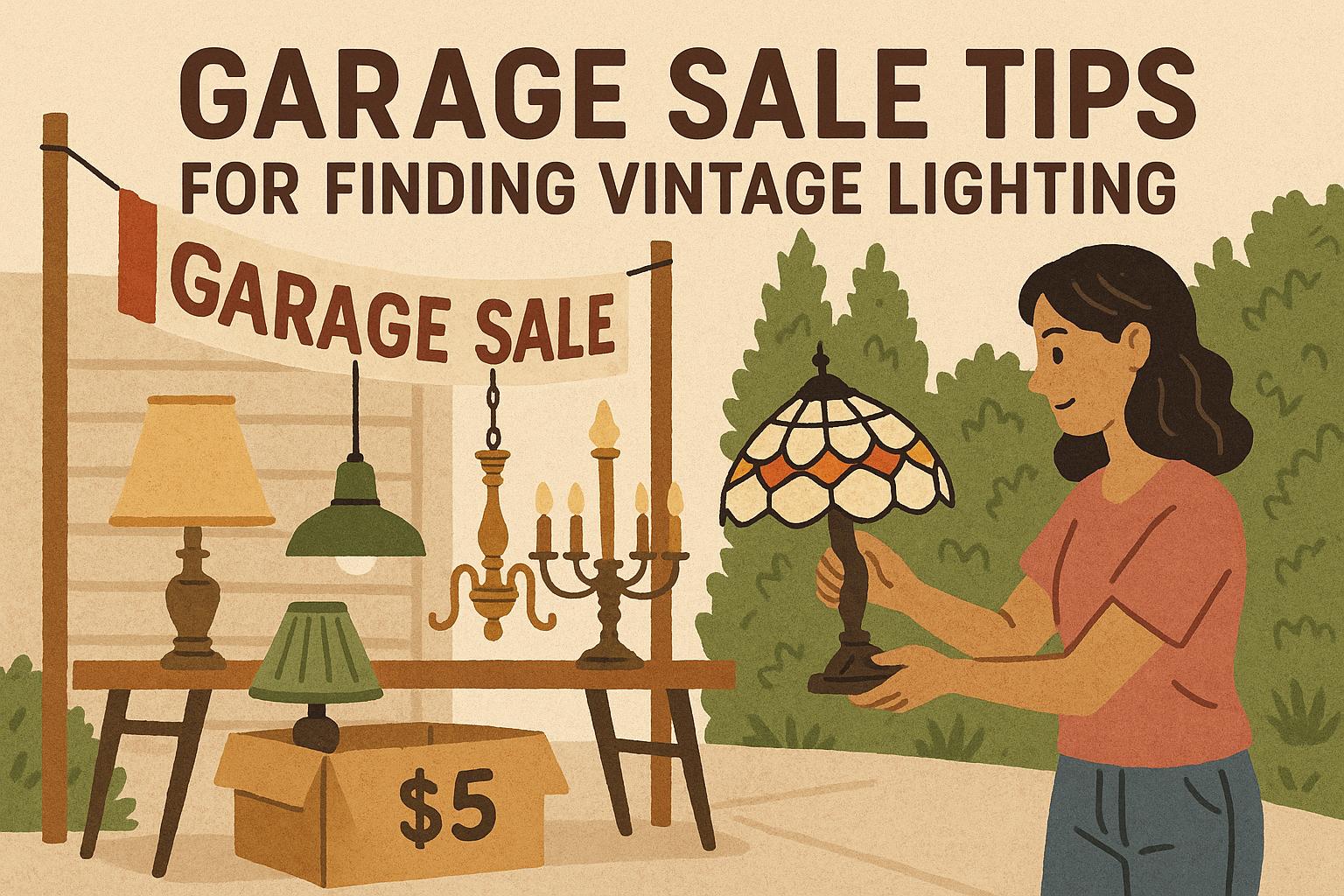
Understanding Vintage Lighting
Before embarking on your garage sale adventure in search of vintage lighting, it’s important to understand what qualifies as vintage. Typically, vintage items are at least 20 years old but not older than 100 years. In lighting, this can include ceiling fixtures, lamps, and chandeliers from various eras, each with unique characteristics. Recognizing and understanding these characteristics is key to making informed purchases that add value and historical interest to your home décor.
Identifying Different Styles
The first step in identifying vintage lighting is recognizing the different styles. This includes Art Deco, Mid-Century Modern, Victorian, and Industrial designs. Each period has its distinct features. For instance, Art Deco is known for geometric shapes and bold colors, reflecting a desire for innovation and luxury during the early 20th century. In contrast, Mid-Century Modern showcases clean lines and organic curves, emphasizing simplicity and function, inspired by the technological advances and cultural changes of the mid-20th century. Familiarizing yourself with these characteristics allows you to quickly identify a lighting piece’s potential period and historical context.
Assessing Authenticity
Once you spot a potential item, the next step is to assess its authenticity. Originals often have manufacturer marks or logos, which can usually be found on metal components or at the base of lighting fixtures. It is critical to meticulously examine these aspects as counterfeit reproductions can sometimes mimic original designs. If possible, look for any labels or branding that indicate the maker and year of production. Additionally, assess the material quality; genuine items often use metals like brass or bronze, while glass shades might feature intricate designs or etchings. These materials not only provide clues to authenticity but also contribute to the durability and aesthetic appeal of the piece.
Condition Matters
When evaluating a piece, consider its condition carefully. Scratches, chips, or broken parts can significantly affect a piece’s value. However, some wear and tear are typical and could be indicative of its age, adding character and a sense of history. Look for signs of electrical issues, such as frayed wiring or faulty sockets, as these can pose safety hazards and require repair. While certain damages can be repaired, extensive restorations may not justify the cost unless the piece is exceptionally rare or valuable. Evaluate whether the aesthetics and historical allure of the item outweigh the potential restoration expenses.
Tips for Garage Sale Hunting
To improve your chances of finding valuable vintage lighting, consider these tips that enhance both the practical and strategic aspects of your search.
Know the Local Scene
Research garage sales in your area ahead of time. Neighborhoods known for older homes might present a higher likelihood of offering vintage pieces, as homeowners may have inherited or preserved items over the years. Estate sales, in contrast to regular garage sales, often yield more valuable items since they include entire household contents, sometimes from long-term collectors or those who possess heirloom-quality items.
Timing is Key
Arrive early to garage sales to increase your chance of finding the best vintage items. Many avid collectors and professional resellers understand the value of an early start, aiming to snatch up valuable pieces before others do. However, visiting at the end of the sale can also be advantageous, as sellers might reduce prices to clear out remaining items. This flexibility with timing can yield opportunities that others might miss.
Haggling Strategies
To secure a fair price when haggling, it’s beneficial to understand the item’s market value. Conducting prior research allows you to negotiate from a place of knowledge and authority. Approach haggling confidently but respectfully, maintaining a balance between assertiveness and courtesy. Be prepared to walk away if the price doesn’t align with your budget or understanding of the item’s worth. Your willingness to leave can sometimes prompt a seller to reconsider their price.
Building a Knowledge Base
Engaging in consistent learning and research is imperative for anyone serious about collecting vintage light fixtures. Resources such as antique lighting guides, historical catalogs, and online forums dedicated to antique and vintage furniture can expand your understanding and keep you informed on current market trends. This knowledge not only aids in identifying authenticity but also helps in appreciating the historical significance of certain designs and materials.
Final Considerations
The adventure of finding vintage lighting at garage sales is as much about patience and timing as it is about knowledge. Every successful find adds a piece of history to your home decor and can illuminate a space with its distinct charm. It’s important to thoroughly evaluate potential purchases for authenticity and condition, keeping restoration and repair costs in mind. A methodical approach to each step ensures that your acquisitions are both meaningful and worthwhile. With the right strategy and a keen eye, garage sales can indeed be treasure troves for vintage lighting enthusiasts.
In summary, whether you are a seasoned collector or a curious beginner, the journey through garage sales and estate sales offers insights and experiences that go beyond the items themselves. They provide a window into history and artistry that enriches not only your living space but also your understanding of Design’s evolution over the decades.