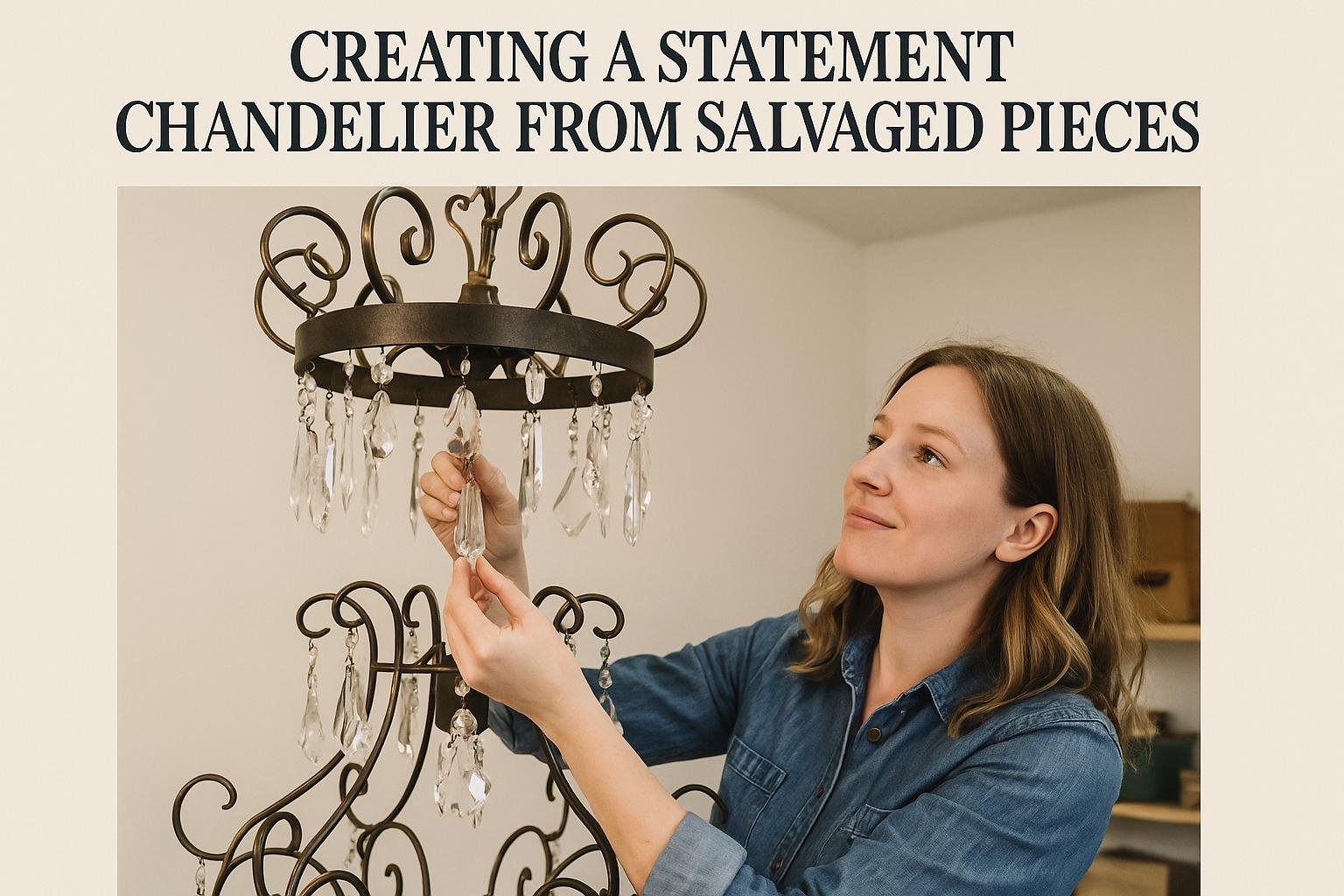
Understanding Salvaged Chandeliers
Creating a statement chandelier from salvaged components offers a unique opportunity to blend history, creativity, and practicality in interior design. Not only does this practice emphasize sustainability through repurposing existing materials, but it also provides a channel for personalized artistic expression. This article delves into the step-by-step process of crafting a chandelier using salvaged materials, highlighting the essential stages from sourcing to assembly and installation.
Acquiring Salvaged Components
The journey to creating a salvaged chandelier begins with acquiring the necessary pieces. These can be found in various places:
Architectural Salvage Yards: Often home to a vast collection of antique fixtures, these facilities allow one to explore historical design elements that can imbue a chandelier with a sense of timeless character.
Flea Markets and Thrift Stores: Known for their eclectic offerings, these venues can reveal hidden gems, presenting an opportunity to find vintage light fixtures and components that stand out for their uniqueness and potential charm.
Online Marketplaces: With the proliferation of digital commerce, numerous platforms now cater to the demand for second-hand and vintage items, including lighting parts that are ideal for chandelier construction.
Design Considerations for Salvaged Chandeliers
With the materials in hand, the next step is to decide on the design of the chandelier. Several factors should guide this process:
Style: This involves selecting a design style that complements the existing décor of the space where the chandelier will be installed. Options range from rustic, which can offer warmth and homeliness, to contemporary, which might introduce sleek and modern aesthetics.
Scale: It is imperative to consider the dimensions of the chandelier in relation to the room’s size. For more expansive spaces, a larger chandelier might provide the bold impact desired, whereas a smaller fixture would be more appropriate for limited spaces, maintaining a balanced appearance.
Compatibility: Ensuring that all electrical components not only fit together but also comply with current safety standards is crucial. Consulting an electrician during this phase can assist in identifying any potential issues before assembly.
Preparation Prior to Assembly
Before diving into the assembly process, it’s critical to prepare all components. Cleaning is the first step, often involving the removal of rust or old paint layers. Repainting or polishing parts can refresh their appearance, thus enhancing the chandelier’s overall aesthetics. It’s equally important to inspect all components, paying particular attention to the structural elements, as these will bear the chandelier’s weight. This ensures that they are sturdy and can safely support the finished fixture.
Chandelier Assembly Process
The assembly process begins with constructing the chandelier’s frame or base, utilizing robust salvaged materials such as metal or wood to guarantee stability. Subsequent to establishing a reliable base, the chosen light fixtures are attached, with careful attention given to alignment and spacing to ensure aesthetic appeal and functionality.
During the wiring phase, adherence to all electrical safety standards is paramount. This entails confirming that the voltage and wattage are suitable, employing appropriate insulation, and ensuring all fixtures are properly grounded. For those less experienced in electrical work, seeking guidance or hiring a professional electrician can prevent safety hazards.
Refinement and Installation
Once the chandelier is assembled, it is crucial to conduct a thorough test to ascertain that all lights are operational. Any discrepancies or issues found should be addressed immediately to circumvent potential complications post-installation. When the chandelier is functioning correctly and meets satisfaction in both function and form, it’s time to proceed with installation. During this final stage, securing the fixture to the ceiling must be done with precision and care, guaranteeing that the ceiling can adequately support the chandelier’s weight.
Concluding Insights
Constructing a statement chandelier from salvaged pieces provides a fascinating and rewarding avenue for creative expression coupled with eco-conscious practices. By intentionally selecting and repurposing materials, one can craft a unique lighting fixture that doesn’t merely serve as an illumination source but also stands as a striking focal point within a space. This approach harmoniously blends the appreciation of vintage aesthetics with modern sensibilities, resulting in a functional art piece that brings both light and distinction to any environment.