Introduction
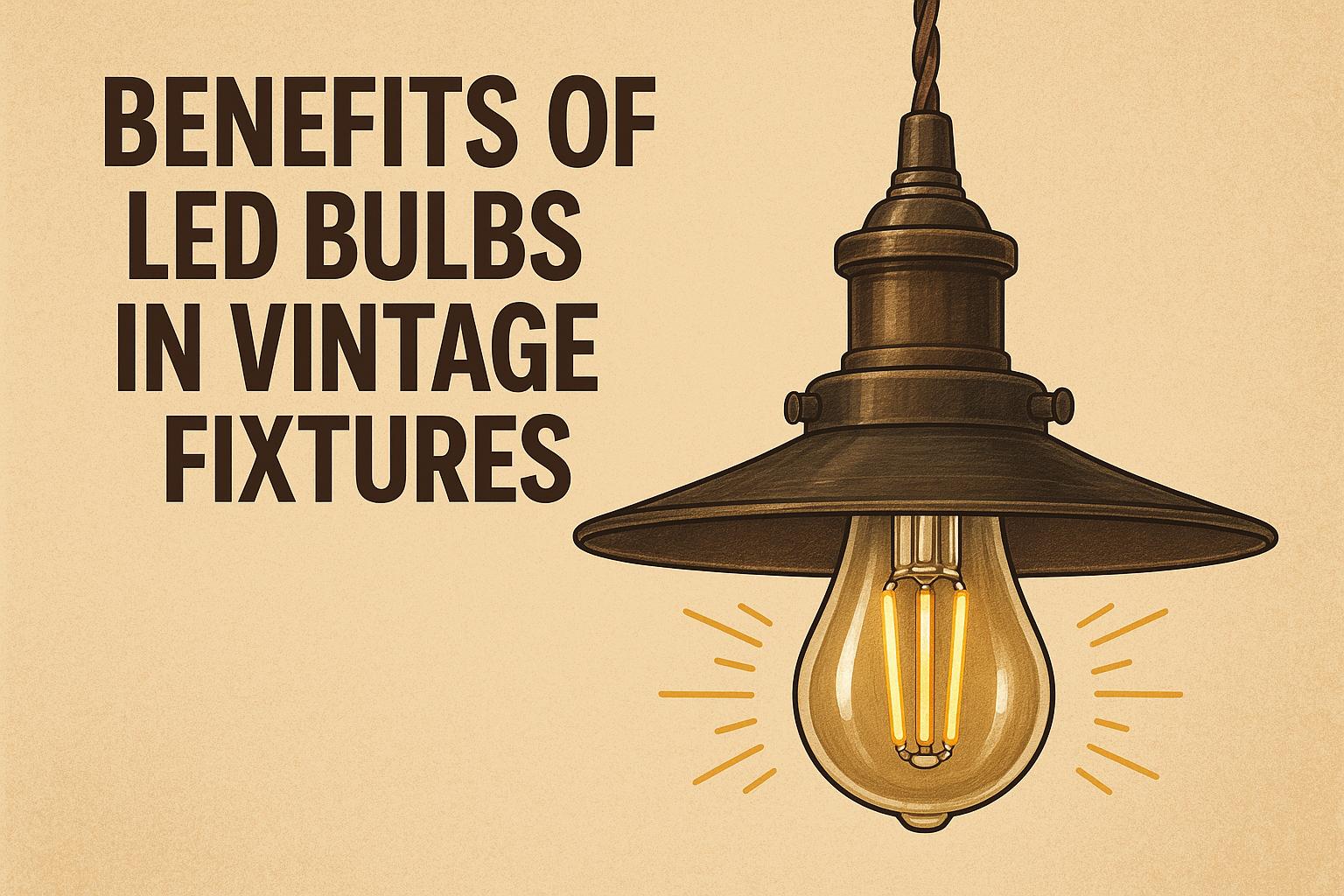
Integrating modern technology with vintage aesthetics can enhance both functionality and style in home lighting. One way to achieve this is by using LED bulbs in vintage fixtures. This practice combines the energy efficiency of LED technology with the timeless appeal of classic lighting designs. As homeowners seek to merge the nostalgia of past eras with cutting-edge advancements, the use of LED bulbs in antique lighting fixtures represents an exemplary fusion of style and sustainability. Beyond aesthetics, this harmonious blend offers numerous practical advantages.
Energy Efficiency
One of the most notable advantages of LED bulbs is their energy efficiency. Unlike traditional incandescent bulbs, LED bulbs require significantly less electricity to produce the same amount of light. This reduction in energy consumption translates into lower utility bills, making LED bulbs a cost-effective choice for long-term use in vintage fixtures. The energy-efficient nature of LEDs stems from their design; they convert a much larger portion of electricity into light rather than wasting it as heat. This characteristic marks a significant shift from older lighting technologies that tend to draw more power, thereby increasing household energy expenditures. For homeowners, switching to LEDs means not just enjoying lower electricity bills, but also contributing to a broader shift towards energy conservation, a critical aspect of sustainable living.
Long Lifespan
LED bulbs have a notably longer lifespan compared to traditional lighting options. On average, they last up to 25,000 to 30,000 hours, while incandescent bulbs typically last around 1,000 hours. This extended lifespan reduces the frequency of bulb replacements, which is particularly advantageous for vintage fixtures that might involve more complex installation or delicate handling. The longevity of LED bulbs minimizes the need for frequent maintenance, hence preserving the integrity of antique fixtures. This is particularly beneficial when dealing with ornate or fragile designs that may be sensitive to frequent disassembly or handling. By reducing replacement needs, LEDs inherently preserve the physical attributes of vintage fixtures, allowing their historical and decorative qualities to remain unmarred over time.
Versatility in Design
Modern LED technology offers a wide range of options to suit various aesthetic preferences. LED bulbs come in numerous shapes and styles, some of which mimic the appearance of traditional filament bulbs. This means homeowners can maintain the classic look of vintage fixtures while benefiting from advanced lighting technology. Additionally, LEDs are available in various color temperatures, from warm to cool whites, accommodating different ambiance requirements. This versatility is further complemented by technological innovations that allow LEDs to adjust in brightness and color, affording homeowners the flexibility to curate specific atmospheres as desired. From replicating the soothing glow of candlelight for intimate settings to emulating the bright, clean light required for functional spaces, the adaptability of LEDs ensures that they can enhance or transform any environment when placed within vintage fixtures.
Reduced Heat Emission
LED bulbs emit significantly less heat compared to incandescent and halogen bulbs. This characteristic is particularly beneficial for vintage fixtures, which may not have been designed to withstand high levels of heat. Reduced heat emission minimizes the risk of damage to the fixture and decreases the likelihood of accidental burns upon contact. Traditional bulbs tend to release substantial heat, which not only leads to energy loss but also puts pressure on the fixture materials, potentially weakening them over time. In contrast, the cooler operation of LEDs preserves the structural integrity and aesthetic value of vintage lighting, safeguarding it against heat-induced wear and preserving its beauty for future generations.
Environmental Impact
Switching to LED bulbs is an environmentally conscious decision. Because they use less energy and have a longer lifespan, LEDs contribute to a reduction in both energy use and waste. Additionally, LEDs do not contain hazardous materials such as mercury, which is common in some older lighting technologies. The environmentally-friendly nature of LED technology aligns well with the modern demand for sustainable practices. As global conversations increasingly turn to climate change and resource conservation, adopting LEDs in home lighting solutions signifies a commitment to these values. This ethos is particularly evident when LEDs are chosen for vintage fixtures, marrying the old-world charm with a tangible step towards environmental stewardship.
Compatibility and Installation
Most LED bulbs are designed to be compatible with existing lighting fixtures, including vintage models. It’s important to ensure that the bulb base and wattage are suitable for the fixture. While LED bulbs generally offer a straightforward replacement process, it’s advised to consult a professional if there are any concerns about the fixture’s compatibility with modern bulbs. Thankfully, manufacturers have developed a myriad of LED types that are compatible with various base and socket configurations, ensuring that integrating them into older fixtures is seamless. Understanding the specific requirements of both the bulb and the fixture allows for safe and effective installation, thereby enhancing the performance and longevity of the lighting system.
The introduction of LED technology into vintage fixtures represents a profound evolution in home lighting. This fusion not only revitalizes spaces with timeless designs but also is in step with contemporary technological advancements. As such, it offers homeowners an opportunity to indulge in nostalgia without compromising on efficiency or sustainability. In conclusion, using LED bulbs in vintage fixtures provides a blend of efficiency and classic design. The combination not only enhances the aesthetic value of a space but also promotes sustainable living practices, making it a practical choice for modern homes.