Understanding the Base and Shade Relationship
When pairing lampshades with vintage bases, it’s essential to understand the relationship between the lamp’s components. A well-matched shade complements the base’s style and enhances its unique features, creating a unified and visually appealing piece.
Consider the Style of the Vintage Base
Begin by analyzing the style of your vintage lamp base. Different eras and design movements feature distinct characteristics, which can greatly impact the selection of an appropriate shade.
In the case of an Art Deco base, these often display geometric shapes and metallic finishes. The clean lines and reflective surfaces typical of Art Deco designs suggest a modernistic approach to the pairing of the shade. In contrast, **Mid-century Modern** designs emphasize simple lines and organic shapes. With their minimalist allure, they call for a shade that respects their understated elegance, echoing simplicity and balance. A **Victorian** base, on the others hand, may include intricate detailing and ornate finishes. Shades compatible with Victorian bases often need to reflect a more elaborate style without overpowering the base’s intricate beauty.
By identifying the specific style of your lamp base, you can more effectively narrow down suitable shade options that align with the design ethos of the base.
Matching Shapes and Proportions
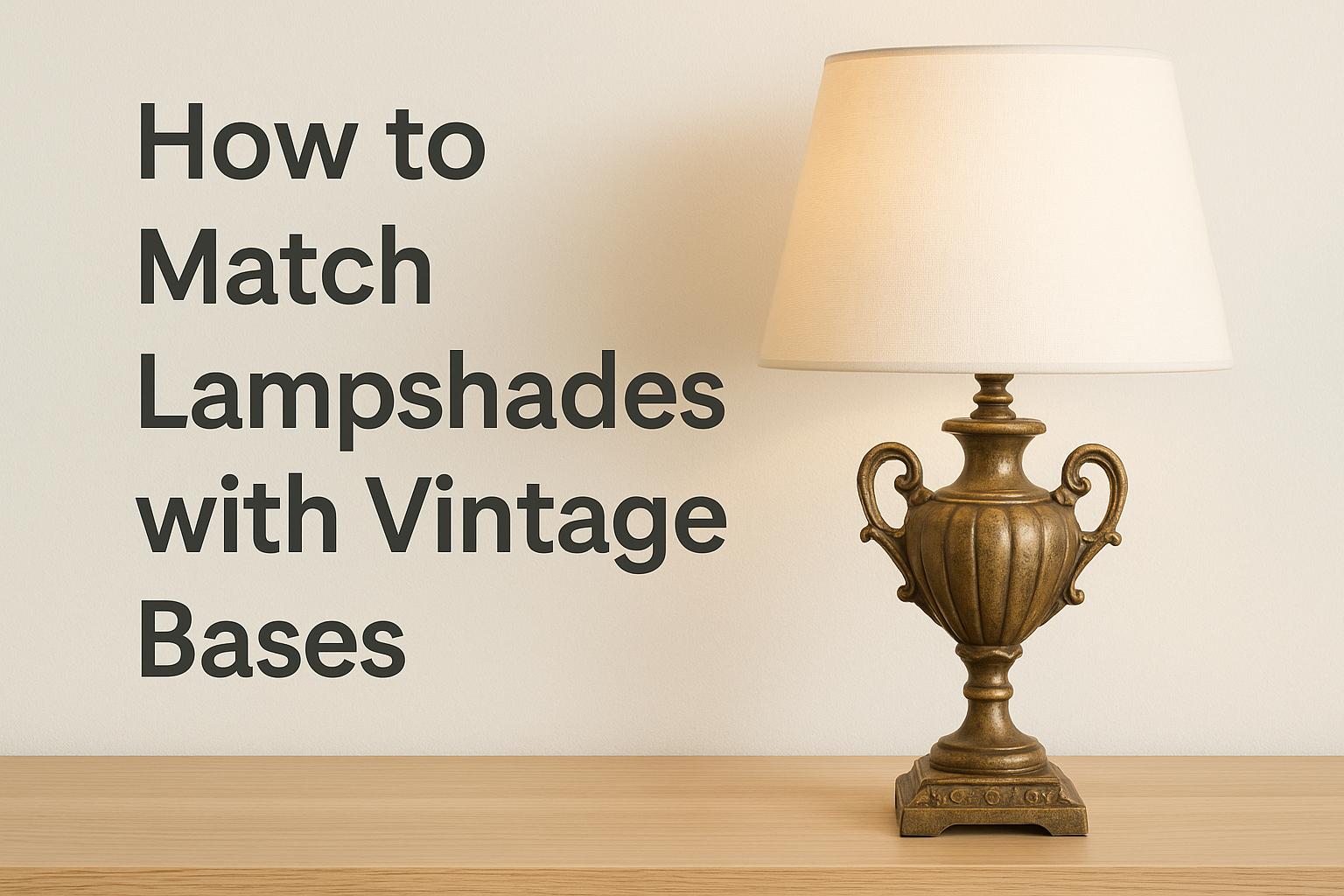
The shape and proportions of the lampshade are pivotal in maintaining balance within the lamp’s overall design. It is crucial to ensure that the shade’s dimensions harmonize with the structure of the vintage base. A slender base may be overwhelmed by a large shade, while a sturdy base can support a more substantial shade. Generally, aim for a shade that is slightly wider than the base but not so large that it appears disproportionate. An ill-matched proportion could skew the intended aesthetic and diminish the cohesiveness of the piece.
For example, a rounded base pairs well with a shade that replicates or complements its curves, maintaining a visual flow. Similarly, angular bases might be better suited with polygonal shades that echo the sharp lines of the base.
Color and Material Coordination
Beyond shape and style, color and material are key aspects in shade selection, as they further unify the lamp’s overall appearance. Matching the shade’s hue and material with the vintage base aids in crafting a cohesive and pleasing look.
To achieve this, choose a shade color that complements or elegantly contrasts with the base. For example, a neutral shade can balance a base with vibrant colors, allowing the intricacies of a vivid base to shine without interference. Conversely, a bold shade can accentuate a more subdued base, adding an intriguing focal point that draws attention in a harmonious manner.
Consider the materials employed in both the base and the shade. A silk or linen shade may pair well with a brass or porcelain base, exuding an air of sophistication and elegance. Meanwhile, a paper or woven shade might suit a wood or ceramic base, enhancing the natural and earthy tones inherent in those materials.
Understanding the Lamp’s Purpose
Functionality is another important factor when matching shades to bases. Consideration of the lamp’s intended use should influence your choice of shade, as different applications benefit from varying styles of illumination.
For Reading purposes, opting for a wider shade is advisable to direct light downward. This method of light focus ensures a well-lit reading area, enhancing visibility and comfort without causing glare or over-exposure to surrounding areas.
In contrast, for Ambient Lighting, selecting a translucent shade can provide softer, diffused light, creating a warm and inviting atmosphere. Such shades distribute light more evenly and can be beneficial for relaxation or enhancing a room’s ambiance without harsh lighting.
Ensuring Compatibility
Technical compatibility between the base and the shade is vital in both aesthetic and practical terms. Ensuring that the shade attaches securely to the base requires attention to detail regarding the type of fittings used. It’s important to first check whether the lamp uses a harp or clip fitting. Each fitting type has specific characteristics and requirements, making it essential to verify if the selected shade is compatible with that fitting. Without proper attachment security, the design could be compromised both in functionality and appearance.
By taking into account these various elements—style, proportion, color, material, purpose, and technical compatibility—you can effectively match lampshades with vintage bases. This creates a harmonious design that respects both the aesthetic and functional aspects of the lamp, thereby enhancing the overall décor. Through careful consideration of these factors, your pairing efforts will result in an elegant and timeless lighting piece that graces any room with distinction.