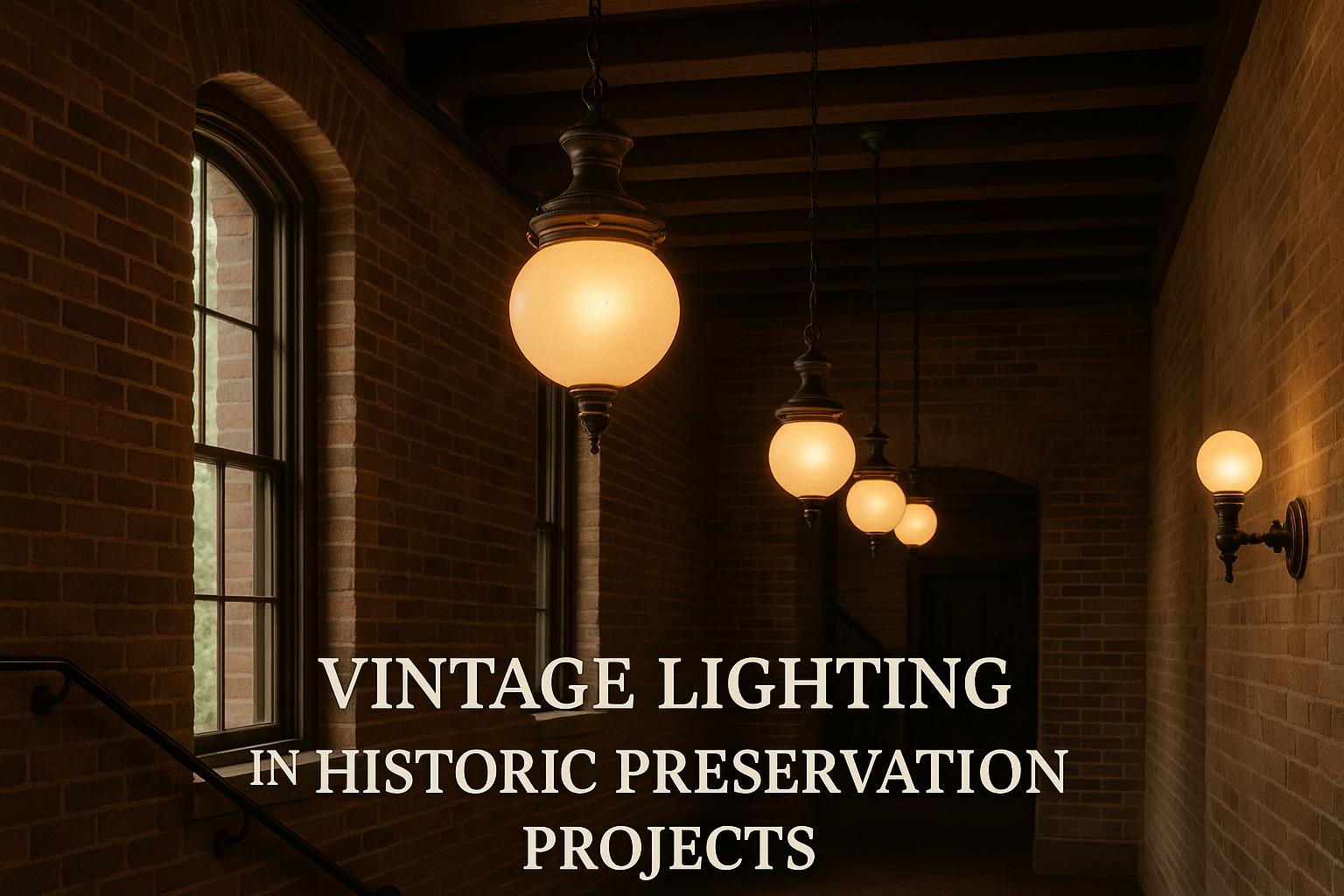
Importance of Vintage Lighting in Historic Preservation
Vintage lighting holds significant importance in historic preservation projects as it plays a vital role in maintaining the architectural integrity and aesthetic appeal of historic buildings. These projects aim to preserve the historic and cultural essence of structures that have stood the test of time. Incorporating vintage lighting can enhance the authenticity of a building’s appearance and contribute to telling the story of its past.
Preserving Architectural Integrity
Preserving architectural integrity is a fundamental goal in historic preservation. Vintage lighting fixtures are often integral components of a building’s original design and aesthetic framework. By utilizing period-appropriate lighting, preservationists help ensure that renovation or restoration efforts remain true to the building’s original design and historical context.
Authentic Restoration
Authentic restoration requires a commitment to finding vintage lighting fixtures or replicas that closely match the original installations. This fidelity to the past helps maintain the character and integrity of the space. For instance, the presence of a refurbished chandelier in a historic ballroom not only acts as a direct link to the past but also preserves the opulent and grandiose feel of the original design. Finding such fixtures can be an intensive process but is vital in honoring the design ethos of the period.
Enhancing Aesthetic Appeal
The aesthetic appeal of vintage lighting fixtures is unrivaled by most modern alternatives. These fixtures often boast intricate designs and superior craftsmanship that stand out, adding an entirely new dimension of historical character to any space. By serving as focal points, vintage fixtures capture the attention and imagination of visitors, inviting them to explore both the space and its history further.
Craftsmanship and Design
Many vintage lighting fixtures were handcrafted using materials and techniques that are not commonly available in modern manufacturing. This provides a unique tactile and visual experience, resulting in textures and finishes that cannot be easily replicated today. Such distinctions contribute both to the cultural and historical value of the building, making each fixture an artifact of craftsmanship and design from a bygone era.
Compatibility with Modern Standards
Integrating vintage lighting into historic projects does not imply a compromise on modern standards. Contemporary technological advancements allow for the retrofitting of these fixtures, ensuring that they function efficiently while adhering to present-day regulations concerning energy efficiency and safety. This dual-objective approach ensures that the charm and historical character of the fixtures are preserved without compromising modern convenience and responsibility.
Retrofitting for Energy Efficiency
Energy efficiency is a concern for modern buildings, and vintage lighting does not have to be an exception. Retrofits involving LED bulbs or other energy-saving alternatives ensure that the fixtures meet modern energy standards. By incorporating modern technology, these historic buildings retain their vintage lighting without sacrificing sustainability or efficiency.
Challenges and Considerations
While the inclusion of vintage lighting brings significant benefits, it also involves overcoming challenges. Sourcing authentic fixtures, adhering to modern building codes, and balancing restoration with conservation are essential aspects that must be carefully considered. This often involves working closely with experts in various fields and undertaking exhaustive research and planning to ensure successful integration.
Finding and Sourcing Fixtures
One of the primary challenges in incorporating vintage lighting lies in finding the appropriate fixtures. This task often requires a concerted effort, with explorations extending to antique shops, auctions, and specialized suppliers. When authentic fixtures are unobtainable or are beyond restoration, the creation of replica fixtures may be necessary to maintain the historical aesthetic of the building.
Ensuring Compliance with Modern Codes
Another challenge is ensuring that vintage fixtures are compliant with contemporary building codes. This includes making sure that they meet current electrical standards, which may necessitate updates or modifications. This ensures safety and functionality without compromising the historic value of the lighting.
Balancing Restoration and Conservation
A delicate balance must be struck between restoration and conservation when dealing with vintage lighting. This involves careful planning and consideration of what elements can be restored while preserving as much of the original material and design as possible. It is a process that requires both skill and sensitivity to the historical significance of the pieces involved.
In conclusion, vintage lighting is an integral aspect of historic preservation projects, vital for maintaining authenticity and contributing to the core aesthetic value of historic structures. By selecting and incorporating these fixtures with care, preservationists can successfully honor the historical and architectural significance of these structures, all while accommodating modern needs and standards. Through careful planning, sourcing, and retrofitting, balance between historic preservation and contemporary expectations can be achieved, allowing these structures to tell their stories for generations to come.