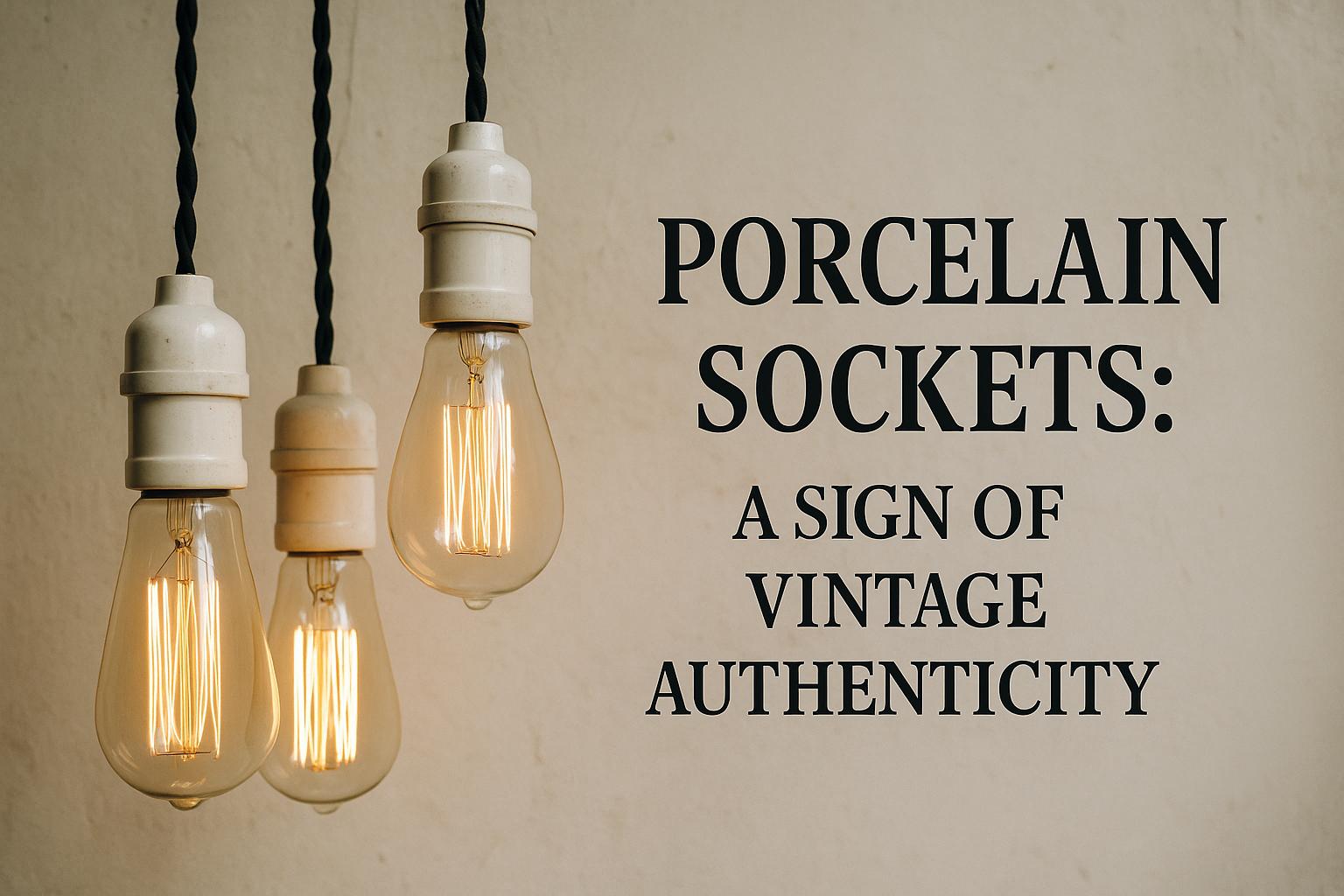
The Appeal of Porcelain Sockets
Porcelain sockets have long captivated the interest of those who appreciate both the aesthetic and functional qualities of vintage electrical components. This fascination stems from their historical significance and enduring practicality, qualities that make them sought-after items in both restoration projects involving historic properties and contemporary designs that aim to capture a classical feel. The versatility and durability of porcelain sockets position them as valuable components, bridging the past with the present in innovative ways.
Historical Context
The story of porcelain sockets begins in the late 19th and early 20th centuries—a time marked by rapid industrial advancement and an increasing reliance on electrical power. During this period, porcelain emerged as a preferred material for electrical fixtures due to its exceptional insulating properties. Not only did it provide reliable performance in both residential and industrial settings, but it also established a reputation for its longevity. The intricate craftsmanship associated with these early components has left a significant legacy, making them highly prized by contemporary collectors and renovators alike.
Moreover, porcelain sockets from this era are seen as artifacts of cultural and technological progress. They are representative of a time when electrical fixtures were designed to be not only functional but also aesthetically pleasing. This blend of utility and art elevates their importance in historical preservation, offering insights into design philosophies of the past.
Properties and Benefits
Several intrinsic qualities make porcelain sockets standout.
Insulation and Durability: At the core of their functionality is porcelain’s impressive insulating capability. Unlike materials that degrade over time under electrical stress, porcelain retains its insulating properties for decades. It withstands heat and does not conduct electricity, making it a safe choice for any setting. This resistance to heat and electrical conductivity underpins its continued use in ensuring the longevity of installations.
Aesthetic Value: The visual appeal of porcelain sockets is equally significant. The smooth, glossy finish they often possess enables them to enhance the overall visual aesthetic wherever they are used. For those aiming to achieve a vintage or period-specific appearance, porcelain sockets provide an authentic touch that is hard to replicate with modern materials.
Minimal Impact of Aging: Over time, many materials can undergo transformations that affect both their appearance and functionality. However, porcelain remains impervious to such changes—retaining its form and color even after decades of use. This attribute is crucial for those interested in preserving the genuine look and feel of vintage electrical installations.
Applications in Modern Settings
Recently, there has been a renewed interest in the use of porcelain sockets. This resurgence is partly driven by the growing trend of restoring historic buildings. In such projects, maintaining period accuracy is pivotal, and porcelain sockets provide the authentic look and function needed to achieve this goal. They help establish a cohesive aesthetic that honors historical integrity.
Furthermore, porcelain sockets are being embraced in new construction and interior design projects where the goal is to merge vintage elements with modern design aesthetics. This mix of antiquity and innovation creates a unique visual appeal. By combining the old with the new, designers have the opportunity to express creativity while ensuring that the space remains practical and functional.
This integrated approach often results in a striking juxtaposition that can enhance interior spaces, creating focal points that draw attention and spark conversation. The use of porcelain sockets in contemporary settings is a nod to their historical roots while showcasing their relevance in modern design landscapes.
Preservation and Care
Maintaining porcelain sockets is straightforward, thanks to their robust construction. Routine care involves cleaning them with a mild solution and a soft cloth, which is typically sufficient to keep them in excellent condition. This low-maintenance requirement is another aspect that contributes to their appeal.
When replacements are necessary due to damage or wear, finding historically accurate replicas or salvaged pieces from the original period can be essential. This approach ensures continuity in design, preserving the intended aesthetic and historical authenticity. The availability of such replicas or salvaged items allows for seamless integration, maintaining the overall integrity of the project’s design.
Challenges and Considerations
Despite their many advantages, there are specific challenges involved with the use of porcelain sockets. One significant concern is the availability of genuine antique pieces. The rarity of these original items can drive up their cost, making them a financially demanding choice for some projects.
Another consideration is the need to adapt these vintage components to meet current electrical standards. Doing so may require the expertise of skilled professionals who can ensure that the integration of porcelain sockets is both safe and effective. This necessity underscores the importance of balancing historical preservation with modern safety requirements and functionality.
Conclusion
In conclusion, porcelain sockets represent much more than mere functional elements in electrical systems. They are historical pieces that reflect the elegance and quality ingrained in past design standards. Their favored status in both vintage restorations and contemporary design projects speaks to their enduring allure and pragmatic benefits. Whether valued for their insulating properties, visual charm, or historical importance, porcelain sockets continue to symbolize a tradition of lasting craftsmanship and authenticity. This makes them a timeless choice for those aiming to integrate a piece of history into their modern environments.