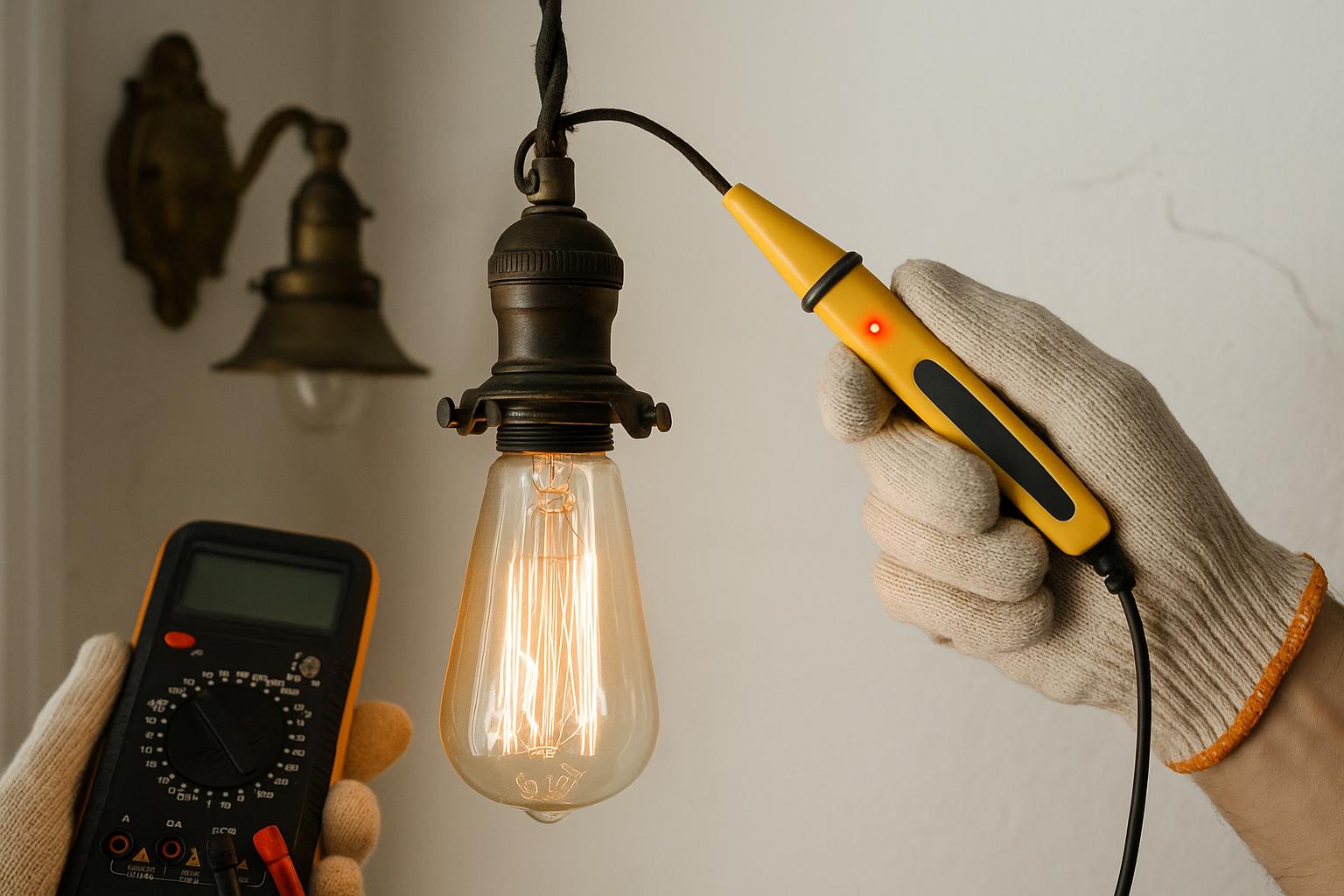
Understanding the Importance of Safety Checks for Old Wiring
When dealing with vintage fixtures, particularly those with old wiring, safety becomes a paramount concern. Over time, wiring can degrade, posing potential fire hazards if not properly addressed. Conducting safety checks ensures that these fixtures remain both functional and secure.
Identifying Vintage Fixtures with Potential Issues
Vintage fixtures often appeal to collectors and decorators due to their unique charm and historical significance. These pieces can add character and a sense of history to any setting. However, they can also hide aged wiring systems that may not comply with modern safety standards. Therefore, identifying whether a fixture still contains its original wiring is the first step in assessing its safety.
Signs of Aging Wiring
Old wiring often comes with distinct signs that point to degradation. These can include a brittle or cracked outer casing, fraying wires, or visible sparks when the fixture is in use. Such signs are indicative of potential electrical failures. Furthermore, it is crucial to listen for unusual sounds like buzzing, which can signal underlying electrical issues. The presence of a burning smell when the fixture is turned on is a critical warning sign and should be taken very seriously, indicating the need for immediate inspection.
Conducting a Thorough Visual Inspection
Before using or restoring vintage fixtures, a visual inspection is essential. This involves a careful examination not just of the wiring itself, but also of the fixture’s components such as sockets and switches. Ensure that connections are secure and that no metal parts are exposed, as exposed metal can lead to short circuits or electric shocks.
Assessment by a Professional Electrician
While a visual inspection by the owner may reveal some surface issues, enlisting help from a qualified electrician is often necessary for a more thorough assessment. An electrician can conduct detailed inspections using specialized tools to gauge the wiring’s condition. This assessment is particularly crucial for fixtures that retain their original electrical components, as these might have undergone wear over time.
Rewiring and Upgrading for Safety
In many cases, rewiring vintage fixtures is the most effective course of action to ensure adherence to safety regulations. During this process, old wires are replaced with new, modern ones that meet current electrical standards. This process allows for the preservation of the fixture’s exterior while completely modernizing its interior electrical components.
Using Modern Components
Replacing old sockets and switches with modern equivalents can significantly enhance the fixture’s safety without altering its vintage appearance. Many manufacturers produce modern components designed to look like period pieces, enabling the fixture to maintain its aesthetic appeal while incorporating contemporary safety features.
Regular Maintenance Checks
To maintain the safety of vintage fixtures, implementing regular maintenance checks is advisable. These checks should involve periodic visual inspections and functional tests to ensure ongoing safety. Regular maintenance allows for early detection of wear or potential issues, preventing unexpected failures or accidents. Such a proactive approach can extend the lifespan of the fixture significantly.
Documentation and Record Keeping
Keeping detailed records of any inspections, rewiring, or upgrades is beneficial for future reference. These records provide a maintenance history that can be invaluable for owners, electricians, and future buyers. Well-documented maintenance records offer a chronological account of all care and modifications done on the fixture, providing valuable information for ongoing maintenance or valuation purposes.
Conclusion
Ensuring the safety of vintage fixtures with old wiring involves a combination of careful inspection, professional evaluation, and potential rewiring. While these actions require effort and investment, they are essential in preserving these fixtures’ charm without compromising modern safety standards. By taking these steps, owners can enjoy the aesthetic and historical benefits of vintage fixtures while minimizing risks to health and property.
Comprehensive Approach
Employing a comprehensive strategy that addresses all aspects of a vintage fixture’s electrical system will provide peace of mind. Owners should begin with identifying potential risks, followed by a rigorous inspection and evaluation by professionals. Any necessary rewiring should be completed with high-quality materials that align with current safety codes.
Balancing Aesthetics and Safety
It is indeed possible to balance the desire to maintain a fixture’s aesthetic integrity with the necessity for modern safety. By using modern components designed to mimic period pieces, one can ensure that the visual allure of the fixture is maintained while introducing reliable safety measures. This approach satisfies both the emotional attachment to a piece’s historical authenticity and the pragmatic need for safe operation.
Ongoing Awareness and Improvement
Owners of vintage fixtures should remain vigilant about continuously improving their understanding of electrical safety practices. Advances in electrical safety occur regularly, and staying informed about these developments can aid in making informed decisions when managing such fixtures. Being proactive not only protects the fixture and its surroundings but also honors the stewardship role assumed by owners of these unique historical artifacts.